Life as a Biomedical Engineer travelling globally

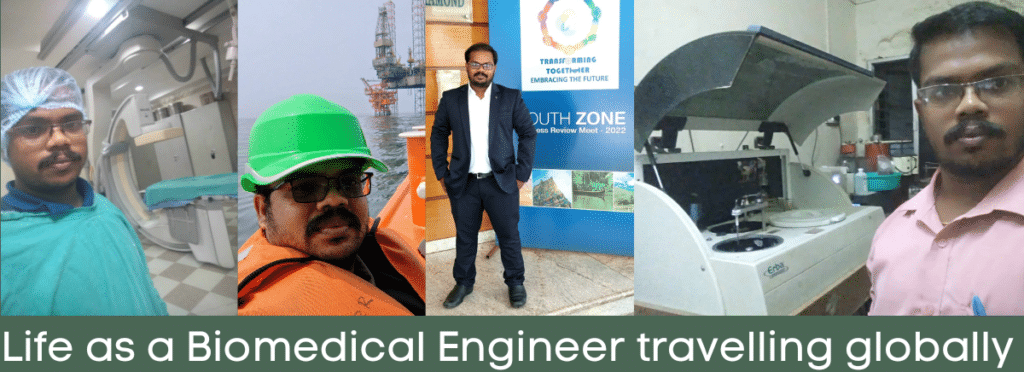
What is it like to work as a Biomedical Engineer across different countries. Gowthaman Balu studied Electronics and Instrumentation Engineering in India and has worked as a Biomedical Engineer in India, and is now based in Dubai. He works for Iqarus and supports global clients providing equipment calibration and technical support.
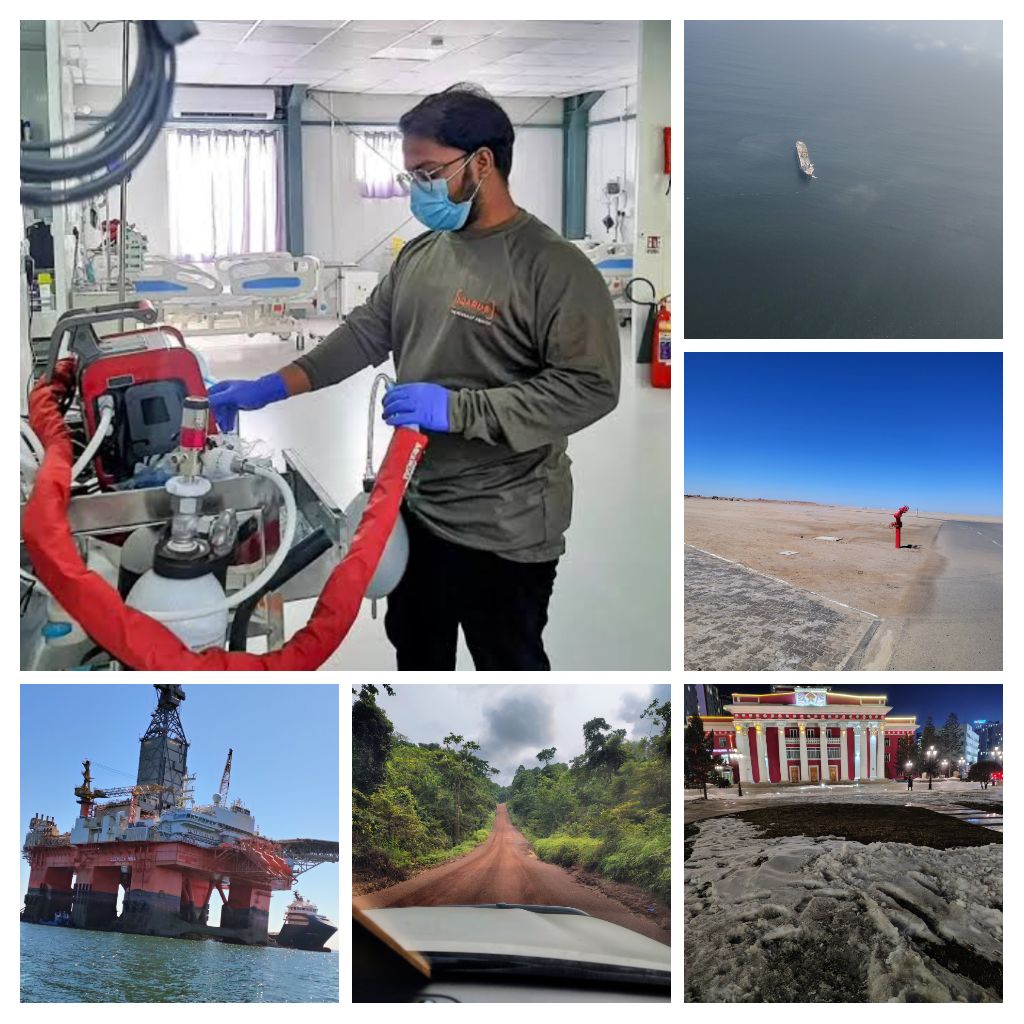
A Biomedical Engineer working and travelling across countries
Background and path to engineering
Have you always been interested in the way things work?
Yes, I’ve been interested in how things work since childhood. That curiosity really started in my father’s two wheeler workshop. Whenever I was there, I was fascinated watching him diagnose problems and fix them with such skill. I always wanted to help, but he would tell me to focus on my studies instead. Still, just observing him sparked a deep curiosity in me, I wanted to understand how machines functioned and why they failed.
That early exposure stayed with me, and over time, that curiosity naturally evolved into a genuine passion for engineering.
Did you like science and technology as a child?
Yes, very much. I was always excited to understand the logical science behind every invention. Anything mechanical or electronic immediately caught my attention. I loved figuring out why something worked the way it did and what principles were behind it.
That curiosity pushed me to explore the science behind technology, and those early interests now help me a lot in diagnosing complex issues in biomedical equipment. The habit of thinking logically and understanding the root cause started in childhood and has become one of my strongest skills today.
Inspirations
Was there a family member or teacher who encouraged you to study engineering?
I’ve always had strong support from both my family and my teachers and they encouraged me to pursue a career that matched my strengths and interests. But when it came to choosing engineering specifically, I have to thank my friends. We often discussed our future plans together, and those conversations motivated me to take up engineering and, importantly, to choose a different and unique field within it. Their influence played a big role in shaping the direction of my career.
Who do you consider is a great engineer/scientist in history?
When I think about great engineers and scientists in history, I’m inspired by Dr. A. P. J. Abdul Kalam, whose innovations and motivational speeches shaped my childhood, and Sir M. Visvesvaraya, one of India’s greatest engineers known for his brilliant contributions to dams, irrigation, and national development.
On the global stage, Albert Einstein stands out for transforming our understanding of the universe and inspiring countless inventions.
Together, they represent imagination, innovation, and the true spirit of engineering and science Biomedical Engineering.
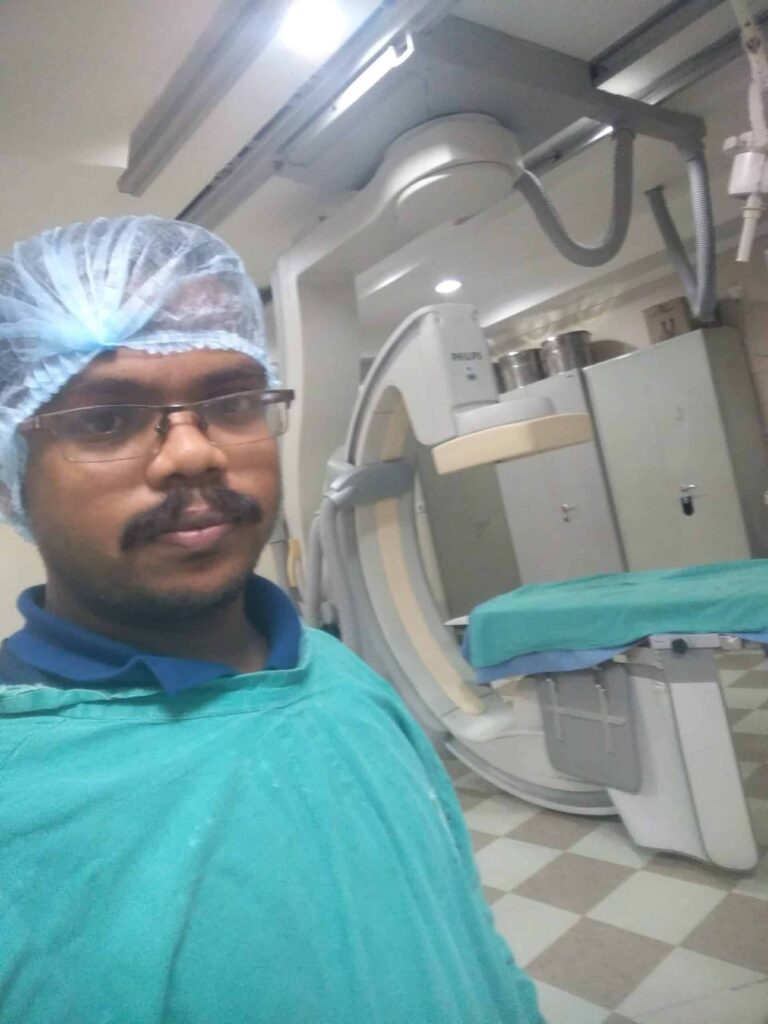
Biomedical Engineering
Why did you decide to focus on Biomedical Engineering and become a Biomedical Engineer?
I chose to focus on Biomedical Engineering because, although I studied Electronics and Instrumentation, I was introduced to biomedical concepts during my course. When I got the opportunity to start my career as a Biomedical Engineer, I realised how meaningful this field is. Every time I completed a service call, it felt like I was contributing to people who truly needed the equipment to function perfectly. That sense of purpose motivated me to focus completely on understanding medical devices, improving my technical skills, and continuously upgrading myself. I’m still learning new innovations and looking forward to serving this field even more as a Biomedical Engineer.
Why would you recommend becoming a Biomedical Engineer to other engineers or engineering students?
I would strongly recommend Biomedical Engineering and becoming a Biomedical Engineer to other engineers or students because this field allows you to use your skills and innovation to directly improve healthcare. Biomedical engineering and being a Biomedical Engineer is growing rapidly, and there is a rising need for advanced medical technology. Engineers in this field play a key role in creating more efficient, reliable, and life saving equipment, making it a meaningful and impactful career choice.
Types of equipment and instruments
What are the different types of equipment and instruments you have worked on throughout your career as a Biomedical Engineer?
Throughout my career as a Biomedical Engineer, I have worked with a wide range of equipment in all departments and clinical equipment across hospitals, offshore sites, and international project locations. My hands on experience as a Biomedical Engineer includes dialysis machines, laboratory analyzers, blood bank centrifuges, deep freezers, and various Operation Theatre (OT) and ICU instruments such as anesthesia workstations, patient monitors, ventilators, infusion pumps, syringe pumps, and electrosurgical units.
I have also supported radiology equipment and continuously stay updated on the latest innovations and emerging technologies in the biomedical field. I have an extensive exposure to global calibration and installation projects, including work in countries like Angola, Bhutan, Congo, Central African Republic, Mozambique, Gabon, Nigeria, Chad, Namibia, Mongolia and Qatar more to add in the future… In these places, I calibrated, installed, and maintained medical equipment globally and successfully installed a Mobile TB Clinic in Bhutan.
In addition, I have managed large scale biomedical operations in India, maintaining medical college hospital assets management and overseeing calibrations, ensuring high PM compliance and reliable equipment performance. My experience also includes PSA oxygen plants, RO water treatment systems, and specialized laboratory devices such as HPLC systems, flow cytometers, and high speed centrifuges.
What has been the most interesting piece of equipment you have ever worked on? And why?
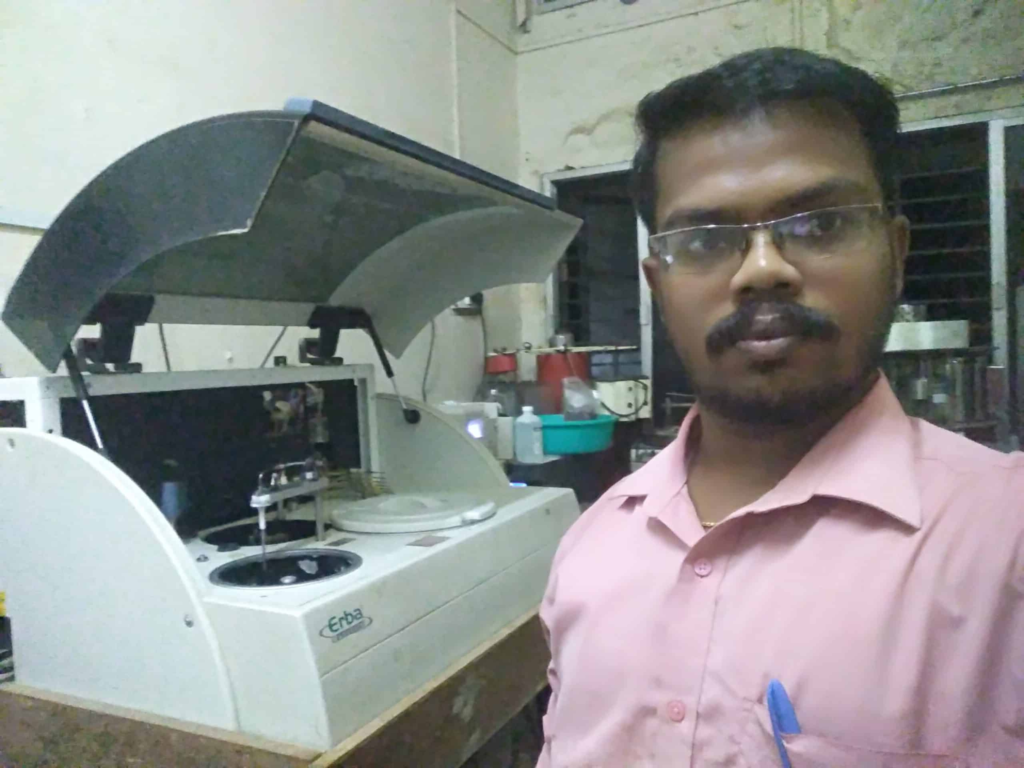
The most interesting equipment I have worked on in my career as a Biomedical Engineer is the dialysis machine. It is a therapeutic device with a simple yet highly efficient operating principle, and its ability to support life so directly has always inspired me. Working extensively with Fresenius machines strengthened my interest even more, especially as I handled installation, troubleshooting, preventive maintenance, and user training across multiple sites.
I am also deeply fascinated by laboratory analyzers, particularly hematology analyzers, biochemistry analyzers, and HPLC systems. Each of these instruments has a unique operational mechanism, and their precision in diagnostic workflows makes them exciting to work with.
These technologies motivate me to keep learning and stay updated with the latest advancements in biomedical engineering.
What would you like to work on in the future as a Biomedical Engineer?
In the future I would like to work on anything challenging including the following.
• Advanced laboratory automation and integrated LIS connected analyzers.
• Point of care diagnostic devices and portable testing technologies advancement.
• AI based Radiology and imaging innovations, including digital X ray, ultrasound, and portable imaging solutions.
• Smart ICU and OT equipment with IoT based connectivity and remote diagnostics
• Medical equipment is used in offshore, remote, and humanitarian settings, where reliability and adaptability are critical.
My goal as a Biomedical Engineer is to stay aligned with the latest innovations in biomedical engineering and contribute to improving equipment performance, patient safety, and healthcare delivery in both hospital and field environments.
Move to Dubai
You moved to Dubai in 2024. How have you adjusted to working and living in another country?
Moving to Dubai in 2024 was a major milestone for me, it truly felt like stepping into the next level of my career as a Biomedical Engineer. I have always adapted quickly to new environments, and this transition was no different.
Earlier in my career as a Biomedical Engineer, I worked across many different states in India like Maharashtra, Delhi, Kolkata, Arunachal Pradesh, Manipur which helped me become flexible, open minded, and comfortable adjusting to new cultures, teams, and work styles. Because of that background, settling into Dubai happened naturally. I embraced the multicultural environment, the fast paced work culture, and the high standards expected in the healthcare and engineering sector. As a Biomedical Engineer working with international clients and traveling to multiple countries through my role also strengthened my confidence in adapting to new professional settings.
Overall, the move has been a positive experience both personally and professionally and it has motivated me to keep growing, learning, and taking on global opportunities.
What advice would you give to other engineers who are moving countries?
My advice to engineers who are planning to move to another country is to focus on building strong technical skills early in their career. Healthcare technology is advancing rapidly, and staying updated with current systems, diagnostic platforms, and biomedical innovations is essential. Do not assume that you will learn everything only after moving abroad the fundamentals of engineering and medical equipment technology remain the same everywhere, even though each country may have more advanced versions or updated models.
It’s important to develop a solid foundation, gain hands on experience, and understand the core principles behind the equipment you work with. Once your basics are strong, adapting to new technologies, Strong fundamentals will help you succeed anywhere in the world.
Typical week as a Biomedical Engineer at Iqarus
What’s your typical week like as a Biomedical Engineer at Iqarus? How much travel do you do?
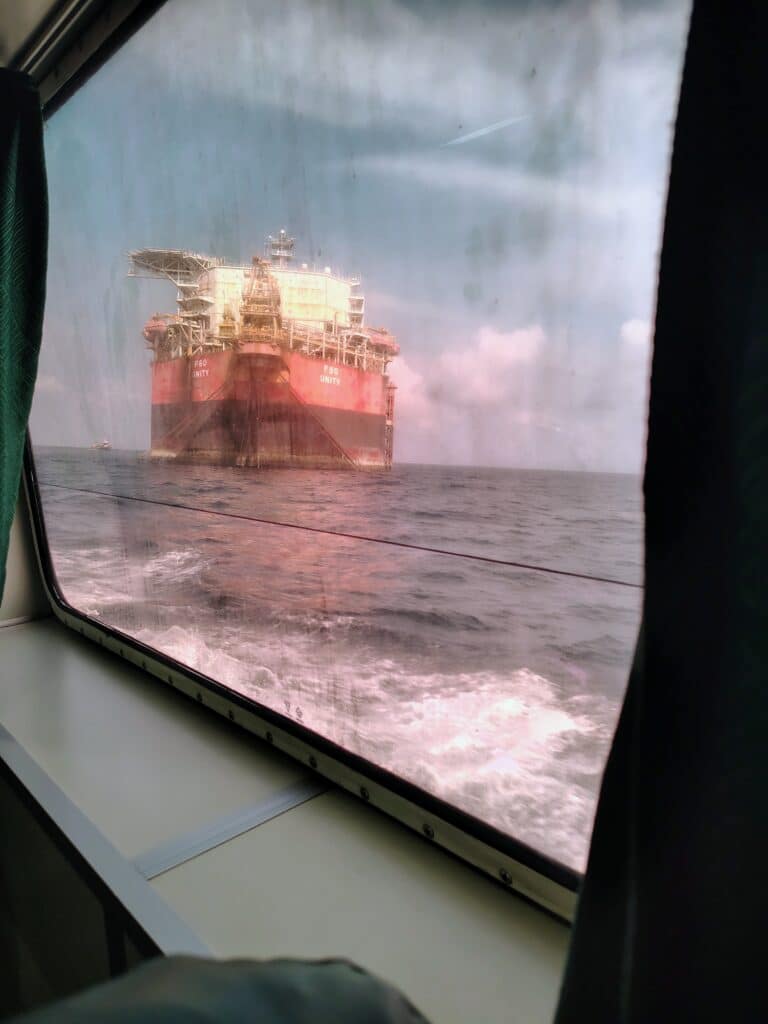
In my current role as an expat engineer at Iqarus supporting global clients, my typical week involves international travel, offshore site visits, equipment calibration, and technical support. Because we handle medical equipment for multiple countries and offshore platforms, travel is a regular part of the job. My colleagues and I are constantly on the move, supporting different regions and ensuring equipment reliability wherever required.
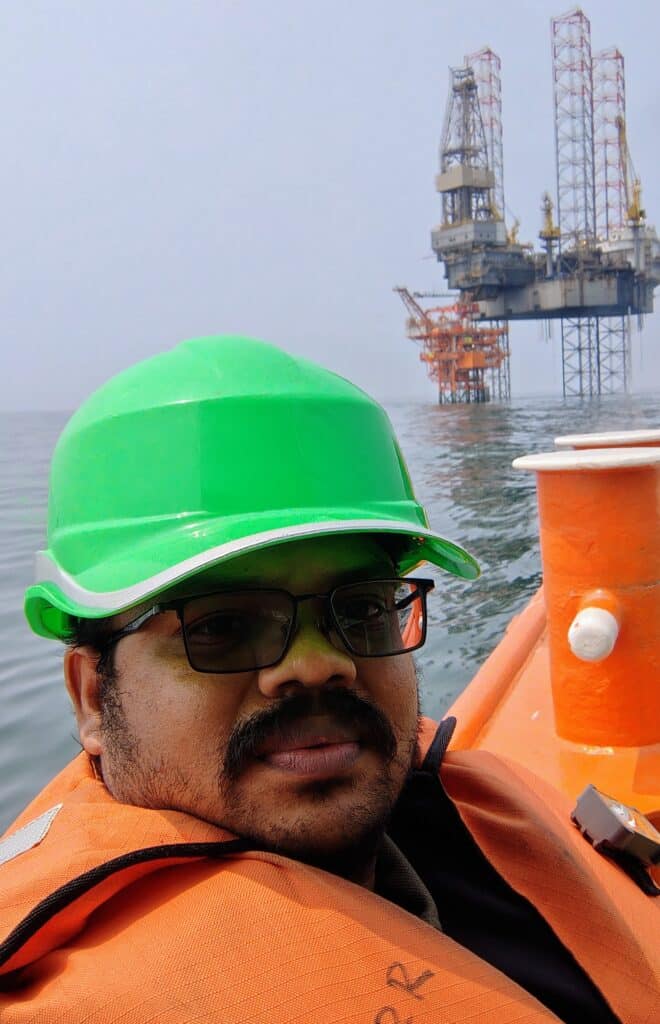
As a Biomedical Engineer, I often travel to offshore sites for calibration and maintenance activities, and depending on project demands, I may work in different countries within the same month. For example, last year I travelled to four different countries in a single month to complete calibration and installation assignments. This level of mobility has helped me become highly adaptable, efficient, and comfortable working in diverse environments and cultures.
Overall, my week as a Biomedical Engineer is dynamic a combination of planning, fieldwork, offshore operations, and international travel and I enjoy the challenge and exposure that comes with working on a global scale.
How much of your time as a Biomedical Engineer is spent ‘hands on’ with customers and how much on administration, training, and other aspects of your role?
In my current role, a major part of my time is spent hands on with customers, because I work as an expat engineer supporting global clients. Most weeks involve direct interaction at offshore sites or international locations where I handle calibration, installation, and troubleshooting of medical equipment. Our work is very field oriented, so being physically present with customers and equipment is a big part of the job.
Preventative Maintenance
How much of your work is involved with preventative maintenance? Why do you think this is vital?
I believe preventive maintenance is vital because it helps us identify issues before they become failures. In healthcare, even a small equipment breakdown can affect patient safety, delay treatment, or interrupt operations. By performing regular PM, we reduce downtime, extend equipment life and maintain accuracy in diagnostic and therapeutic devices. This is especially important in offshore and remote locations, where immediate technical support is not always available.
For me, preventive maintenance is not just a task, it’s a proactive approach that ensures reliability, safety, and smooth functioning of all medical equipment we handle.
How do you persuade customers to prioritise preventative maintenance?
From my experience, the best way to convince customers is to explain the real impact of preventive maintenance. I tell them that PM is not just a routine task as it keeps the equipment safe, accurate, and ready for use at any time. Many customers change their mindset when they understand that a small issue found during PM can prevent a major breakdown later. I also remind them that in healthcare, even a short equipment failure can affect patient care, so PM is essential for smooth operations.
Customer Relationships
How do you quickly form a relationship with a new customer?
Most of my work involves meeting new clients at different sites and in different countries, so building rapport quickly has become a natural part of my job. I usually start by being approachable and understanding their immediate concerns. If they are facing any issues in the field, I try to resolve them as quickly as possible. When customers see that I am genuinely there to help, the trust builds automatically.
Sometimes the issue is not a fault but just a normal notification or a common user error. When I explain this clearly and show them how to handle it, they feel more confident and comfortable. This simple interaction often makes the customer happy and helps continue the rapport. I believe being patient, respectful, and technically confident helps create a positive relationship from the very first visit.
Most challenging part of the job
What is the most challenging part of your job as a Biomedical Engineer- technical side, logistics or customers?
Technical side
On the technical side, things have become easier over the years because now we have strong support networks, better documentation, and more engineers to discuss troubleshooting with. With experience, it becomes faster to identify the root cause of a problem, even with complex equipment.
Logistics
Logistics can be smooth or difficult depending on the location. But in remote locations, logistics can be unpredictable, and that sometimes creates pressure to complete the job with limited resources.
Customer Handling as a Biomedical Engineer
Customer handling also requires technical skills and clear communication. If we promise a customer a certain timeline for a breakdown, maintenance, or installation, we must deliver with perfection. When we meet expectations, customers are happy and trust us more. But in rare cases, unexpected issues or delays can create challenges, and we need to manage the situation professionally.
Overall, each part of the job as a Biomedical Engineer has its own challenges, but that’s what makes the role dynamic and keeps me motivated to perform at my best.
Most Challenging Job as a Biomedical Engineer
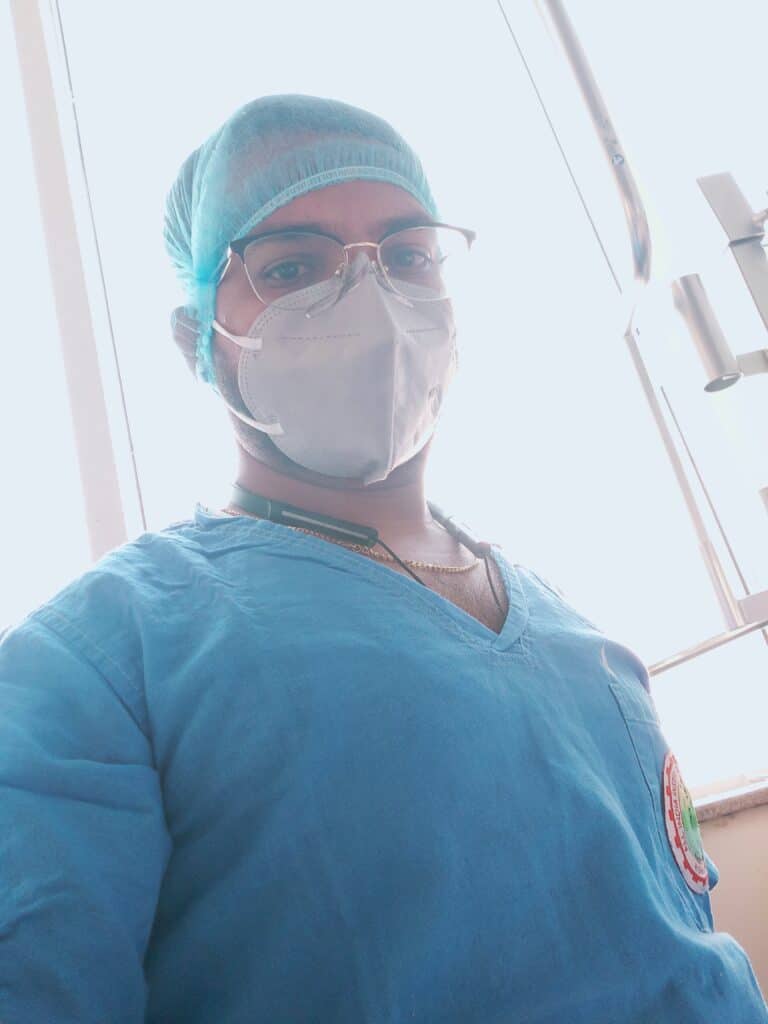
The most challenging job I’ve had so far was one where I had to manage multiple responsibilities under tight deadlines while coordinating with people from different backgrounds.
The experience pushed me to improve my planning skills, become more proactive, and stay calm under pressure. Looking back, it was demanding, but it helped me grow professionally and prepared me for more complex roles.
What do you do when something is not working, and there is no obvious reason?
I take a step back and go through everything slowly to figure out where it went wrong. I try different options, check what I might have missed, and learn from it so I don’t repeat the same mistake. I reach out to someone who might have a different perspective. It helps me solve the issue faster and improves my understanding
How do you explain something technical to someone non-technical or to someone who is having difficulty understanding?
As a biomedical engineer working in the field, I often have to explain technical issues to people who don’t have a technical background, especially during equipment breakdowns. In those situations, I try to see things from their perspective. I avoid technical jargon and use simple examples or comparisons that relate to their daily work. My goal is always to make the situation clear, not complicated, so they feel confident about what’s happening and what steps we’re taking to fix it.
Making a future star
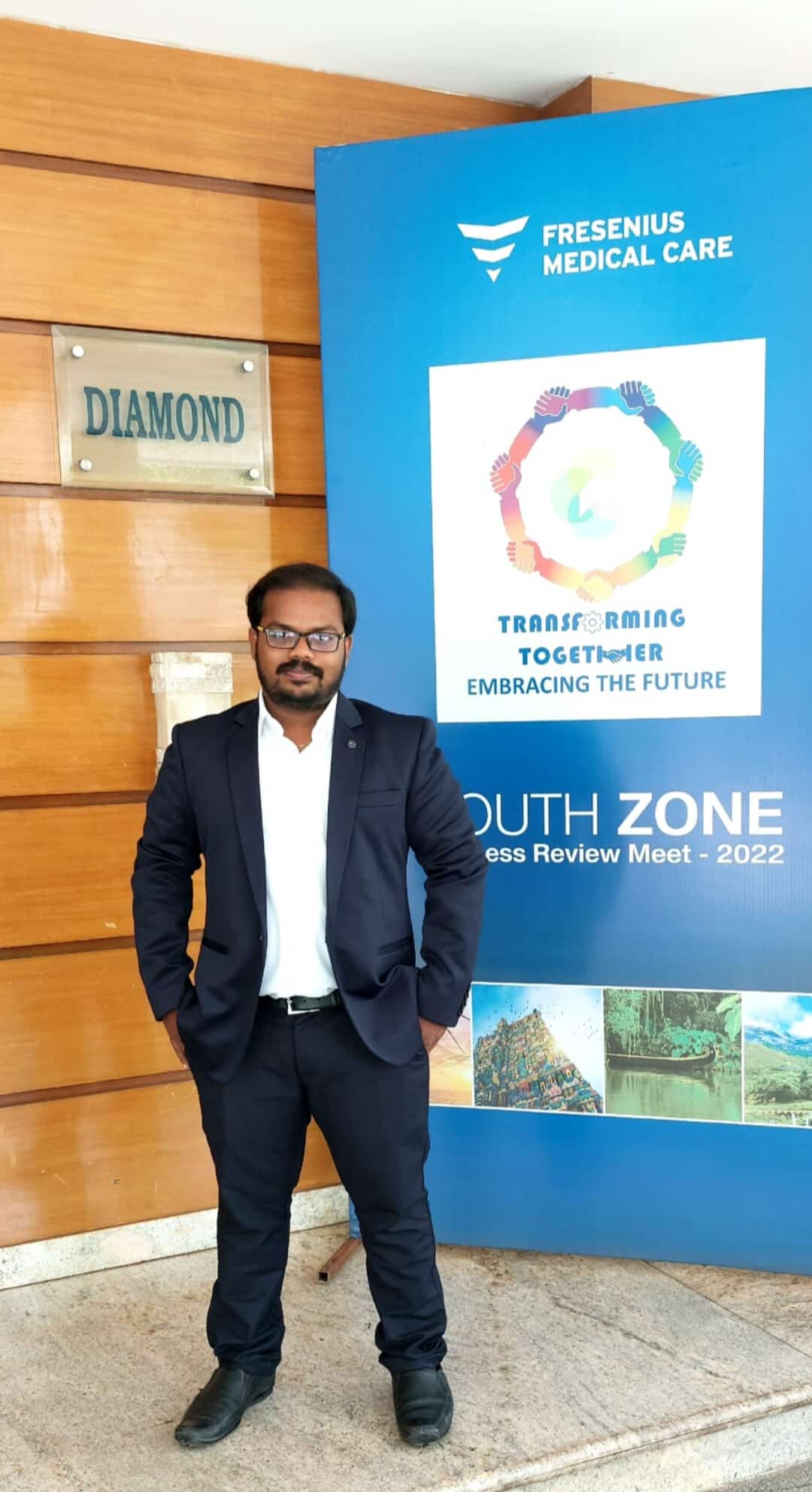
You received Start of the Month Award from Mr Bhaskar Guha, the Managing Director of Fresenius Medical Care India. Why do you think you received this award?
I received the award because I handled a challenging situation at the Government Medical College, where a complex pending issue with the dialysis machine needed to be rectified within a specific time. I was able to diagnose the problem, complete the repair, and significantly reduce the breakdown time, which helped ensure uninterrupted patient care.
I’m grateful for the recognition from Mr. Bhaskar Guha and Fresenius Medical Care India. The award is a strong encouragement for me as a Biomedical Engineer, as it motivates me to keep putting in my best effort and continue improving. It also reinforces the value of staying committed, taking responsibility, and responding quickly during critical situations.
Apart from a strong technical background, what are the three most important skills for a field service engineer to have?
Apart from having a strong technical background, I believe three important skills are essential for a field service engineer.
First, staying optimistic and calm in every situation. In the field, we often face unexpected or complex equipment issues, and keeping a steady mindset helps us think clearly and solve problems faster.
Second, adaptability. Field engineers spend a lot of time traveling, and the work rarely follows a fixed schedule. We need to be ready at any moment to focus, troubleshoot, and resolve issues, no matter the environment or timing.
Third, maintaining good health and a positive mindset. Since half of our time is spent on the move and the job can be physically demanding, staying healthy and mentally balanced is crucial for performing well and supporting customers effectively.
Conclusion
I would like to express my sincere thanks to a few friends who played a significant role in shaping my career at various stages.
• Mr. Manikandan, Control Engineer at Baker Hughes, for his guidance and support for choosing Engineering path.
• Mr. Abishek, Principal Engineer Field Instruments at Saipem India Projects Private Limited, who encouraged me to pursue the engineering path.
• Mr. Pradeep Leveal, Field Service Engineer at Siemens Healthcare, guided me toward the biomedical field and supported me during the early stages of my career.
• Mr. Mohamed Ali Alaudheen, my colleague, who helped me find the path to moving countries.
Each of them contributed meaningfully to my journey, and I am truly grateful for their support.
I am truly grateful for this opportunity to share my journey. I want to thank the entire The Field Engineer team, and especially Caroline Gregory, who encouraged me to write this article. Her support really motivated me to put my thoughts together and reflect on my experience.
I also want to thank my managers, friends, teachers, and my parents for always encouraging me to move forward. Their support has played a big role in my growth.
I’m looking forward to doing even more meaningful work and contributing as much as I can in the future
Thank you. I truly appreciate the support and encouragement.
Further Reading and Viewing
How being curious produced an Innovative Biomedical Engineer
One Man’s Journey to Become a Biomedical Engineer
Life adding value as a Biomedical Engineer Manager




Responses