
One Life and Career in Renewable Energy, Power Systems & E-Mobility

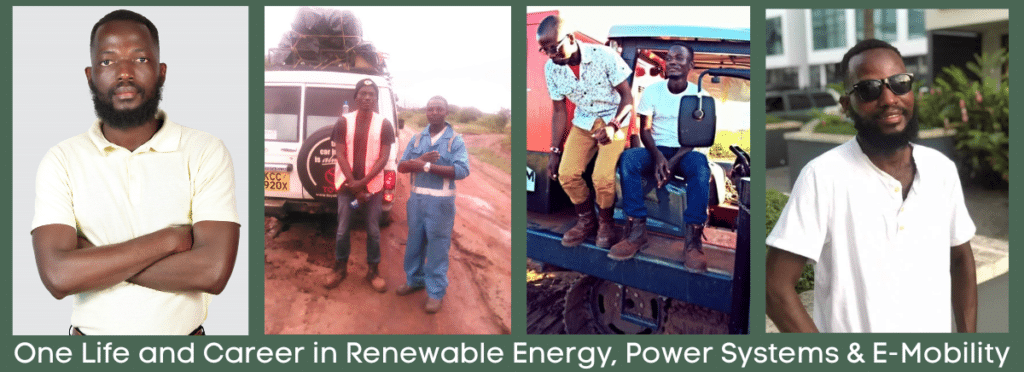
Renewable Energy, Power Systems and E-Mobility are changing and developing fast in Africa. Thomas Odhiambo Okumu has studied electrical and electronic engineering and has focused his career on energy and power. In this article, Thomas shares his motivation and also his thoughts on how power and energy, particularly renewable energy, in Africa can be revolutionised.
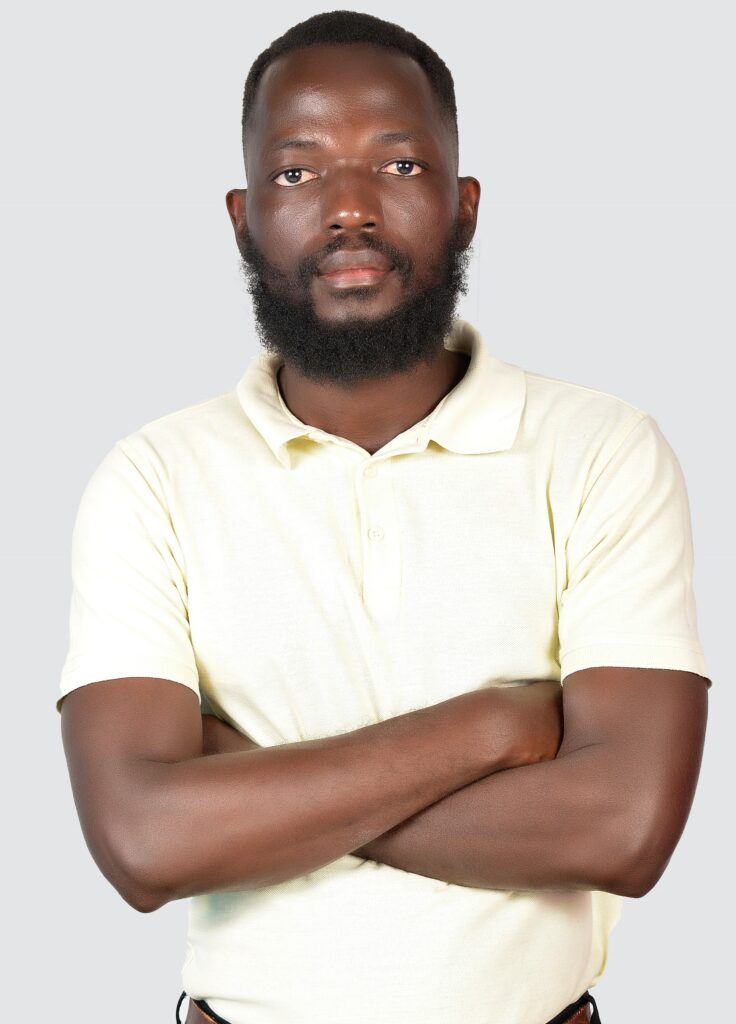
An African engineer’s career in Renewable Energy and Power
Background
Were you interested in how things worked when you were a child? Can you give examples?
Yes, I was naturally inquisitive about the “why” and “how” behind everyday machinery. I remember taking apart small household gadgets just to see the internal wiring and how energy was converted into motion or light.
What is the earliest thing you can remember fixing or taking apart?
It was a small battery-operated toy motor. Seeing how simple coils and magnets could create movement was my first real introduction to the power of electrical engineering.
As a child, did you want to be able to make or invent something for your family?
Yes, I wanted to make a torch and a fan for myself. I remember getting motors from dead analog TVs and making small fans which I powered using zinc carbon batteries. I also made torches by putting miniature incandescent bulbs in a used insecticide tin, powered by zinc carbon batteries connected in series.
Has there been a particular person who has inspired you? and why?
Yes, an electronic technician who used to own an electronic workshop in our neighbourhood because he seemed to make a lot of money. He was one of the few people who drove a car in our estate, so I wanted to be like him. I used to spend some time at his workshop just to watch him work and he would give me old motors and bulbs for free, magnets too.
Why did you decide to study electrical and electronics engineering rather than a different type of engineering?
I chose this field because electricity is the backbone of modern civilization. I wanted to be part of the solution to Africa’s energy and renewable energy challenges, moving from a simple curiosity about gadgets to managing large scale power distribution systems that impact thousands of lives.
Starting work after graduation
You have been successful in working in different roles for different companies. What is your advice for someone studying engineering now in how to prepare for the job market?
I would advise them not to focus on the money first but focus on gaining hands-on skills even if it will mean working for free. Also they should be willing to start working from the lowest level, I mean even as a handyman. Finally, they should make sure they do not cram but understand the engineering concepts.
Do you think internships are valuable and why?
Absolutely. My internship at Kenya Power was transformative. It bridged the gap between theoretical classroom knowledge and the high stakes reality of industrial power systems, such as commissioning 23MVA transformers.
Working on renewable energy and power
Why did you decide to focus on renewable energy and power?
Energy is the primary engine for economic growth. My focus on power systems and E-mobility stems from a desire to make energy more sustainable, reliable, and accessible across the continent.
Can you describe the type of engineering work you did at Alphonso Contractors?
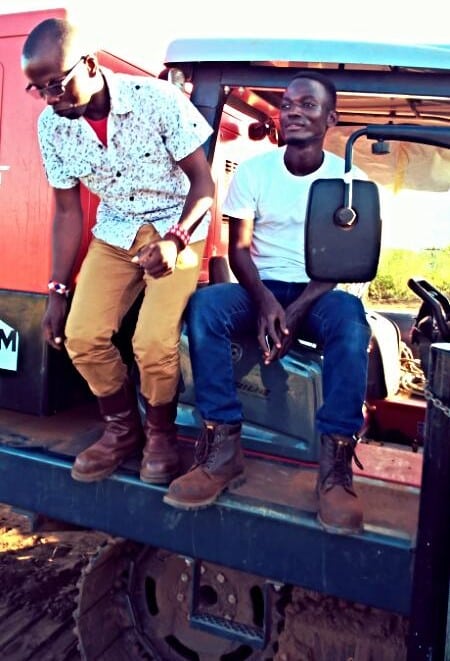
During my 2-year and 3-month apprenticeship as an Assistant Project Manager at Alphonso Contractors (Oct 2023–Dec 2025), I was responsible for conducting technical site inspections and quality assurance checks to ensure projects met design specifications and regulatory standards. My evaluative background includes monitoring project progress, reporting risks to management, and overseeing the testing and commissioning of electrical systems.
What are the different types of systems you have worked on?
Power Distribution and Transmission Systems,
Residential and Commercial Electrical Systems,
E-Mobility and Renewable Energy Systems,
Safety and Monitoring Systems.
How did your skills transfer from one type of equipment/system to another?
The fundamental principles of safety, circuit logic, and load balancing remain constant. Whether I was working on residential wiring at Alphonso Contractors or massive power transformers at Kenya Power, the core requirement is technical precision and a “safety first” mindset.
How would you describe yourself at this stage of your career?
I am a results driven Electrical Engineering professional with a proven track record in power distribution, E-mobility, and renewable energy. I specialise in bridging the gap between technical complexity and market awareness, ensuring that projects are not only engineered to the highest standards but are also viable and sustainable in the real world. From commissioning 23MVA transformers to leading construction site teams, I bring a ‘hands-on’ expertise that turns complexity into informed action.
Most challenging part of the job of an Engineer onsite
What has been your most challenging engineering job ever?
Acting as the on-site lead at Alphonso Contractors has been my most challenging engineering job. Coordinating multiple subcontractors and suppliers while ensuring strict adherence to design specifications under tight deadlines taught me the importance of decisive leadership and clear communication.
How do you ensure that everyone follows health and safety procedures at all times?
I lead by example. I conduct regular toolbox talks and safety audits. I convince teams of the importance of HSE by showing them that safety isn’t just a rule, it’s the only way to ensure every worker goes home healthy at the end of the day.
How do you explain technical issues to non-technical people? Can you give examples?
I use analogies.
For example, when explaining voltage and current to a client, I compare it to water pressure and flow in a pipe. My goal is always to:
“turn complex engineering into clear, everyday insight.”
Energy – Renewable Energy and Fossil Fuels – in Africa
What do you think are the unique problems facing Africa and the provision of power and energy, including renewable energy?
The main challenges are aging infrastructure and the “last mile” connectivity gap in remote areas. However, these problems create a massive opportunity for leapfrogging to decentralised renewable energy and E-mobility solutions.
What is one change which would make a great difference?
Implementation of decentralised grids in remote rural Africa and adoption of hybrid systems in areas near the grid.
Managing power in remote areas
What are the challenges of managing power in remote areas?
1. Logistical and Infrastructure Barriers
Distance and Terrain
Extending the national grid to sparsely populated, remote villages is often not cost effective. The cost per connection increases significantly when poles, wires, and transformers must span difficult terrains like forests or mountain valleys.
Transport of Equipment
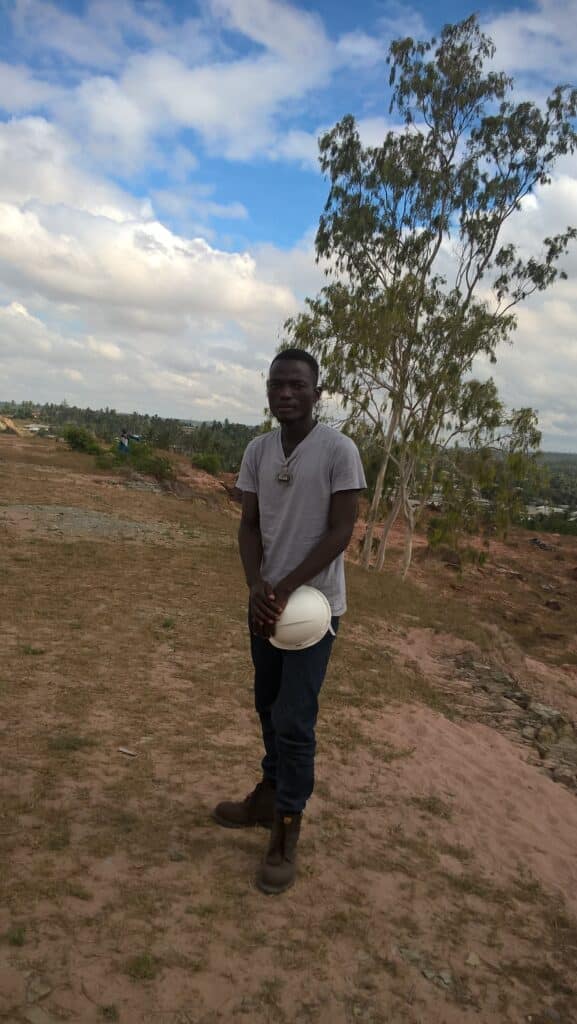
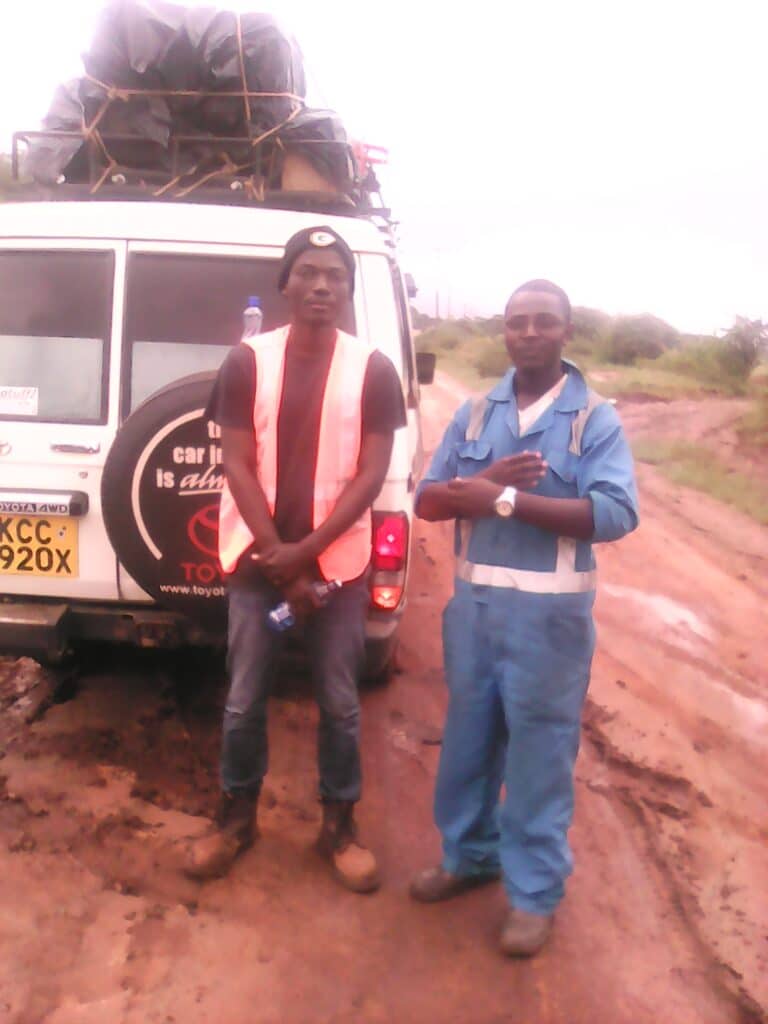
Moving heavy, sensitive equipment like 23MVA transformers or solar arrays requires reliable road networks. In many remote areas, seasonal floods or poor roads can delay installation or even damage equipment before it reaches the site.
2. Technical and Operational Complexity
Off-Grid Management
Because these areas are often grid-isolated, they rely on mini-grids (Solar/Wind/Hydro). Managing these requires balancing intermittent energy sources with storage (batteries), which adds a layer of complexity to load balancing.
Maintenance and Spare Parts
If a transformer or inverter fails, the “downtime” is often prolonged because technicians have to travel long distances. As we’ve seen at Kenya Power, having a local supply of spare parts and specialized tools is critical but often lacking in deep rural zones.
Harsh Environments
Remote equipment is exposed to extreme dust, heat, and electrical storms. These factors accelerate the aging of components and require more frequent HSE audits and site inspections.
3. Technical Skill Gap
Lack of On-Site Expertise
There is often a shortage of trained local technicians who can perform basic troubleshooting. This forces a wait and see approach where minor faults turn into major system failures because there was no one on-site to perform routine maintenance.
Remote Monitoring
Without reliable cellular signals, implementing Smart Grid or IoT monitoring becomes difficult. Engineers often have to rely on radio or satellite links, which can be expensive and complex to set up.
4. Economic and Social Factors
Affordability
Even when power is available, the cost of connection and monthly tariffs can be higher than what low-income households in economically vulnerable areas can afford.
Wayleave and Consents
Securing the “Right of Way” for power lines through private or community land can lead to lengthy legal delays and demands for high compensation, stalling projects for years.
Challenges to energy (including renewable energy) and power in the next 5 years
What do you think will be the biggest change in how energy and power is provided in Africa in the next 5 years?
The biggest change is the shift from Centralized Grids to Decentralized, Digitalized Energy.
Decentralization
Africa is leapfrogging the grid by using Solar Mini-Grids to power remote areas instantly.
Digitalization
Pay-As-You-Go (PAYG) technology and mobile money make solar power affordable for everyone.
E-Mobility
Electric motorcycles and Battery Swapping stations are turning transport into a mobile battery that stabilizes the power supply.
The future
What are your plans for the next part of your career? What is your ideal role going forward?
My ideal role is a Technical Consultant or Project Manager in the E-mobility sector, where I can evaluate and implement clean energy projects that drive sustainable development.
Would you consider working in another country, and why?
Yes, because I quickly adapt and am open to experience different challenges from other countries so that I can use my creativity and skills to provide solutions. I am also fascinated by different cultures and people from other countries. Sometimes I spend my time watching videos on YouTube about how people live in other countries, and I wish I could have the experience.
In your opinion, can a good engineer adapt to working on any type of equipment and in any industry?
Yes. A good engineer is a problem solver first. Once you understand the first principles of physics and engineering, you can apply that logic to any industry, whether it’s power distribution, automotive, or automation.
Further Reading
Well engineering consultant with a passion for renewable energy
Spotlight on life of a Sales Engineer, Gas Power Generation
Operations and Quality for Wind Energy – one man’s story
Rachell Coffey discusses diversity in the renewable energy sector


Such an inspiring read! As someone aspiring to join the ranks of field engineers, seeing this level of positivity and a clear path toward the future of renewable energy is incredibly motivating. It’s great to see a focus on how e-mobility and power systems are evolving. This is exactly the kind of future I want to be a part of!