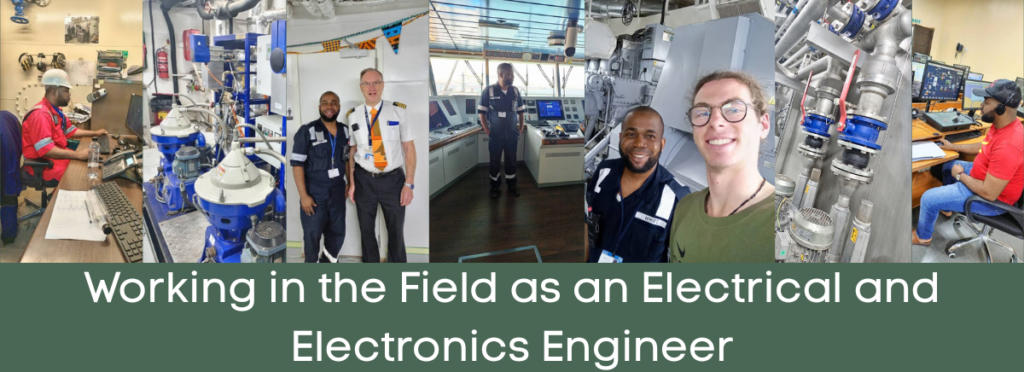
Working in the Field as an Electrical and Electronics Engineer

Last Updated on 24 August 2026 by Tim Robertson
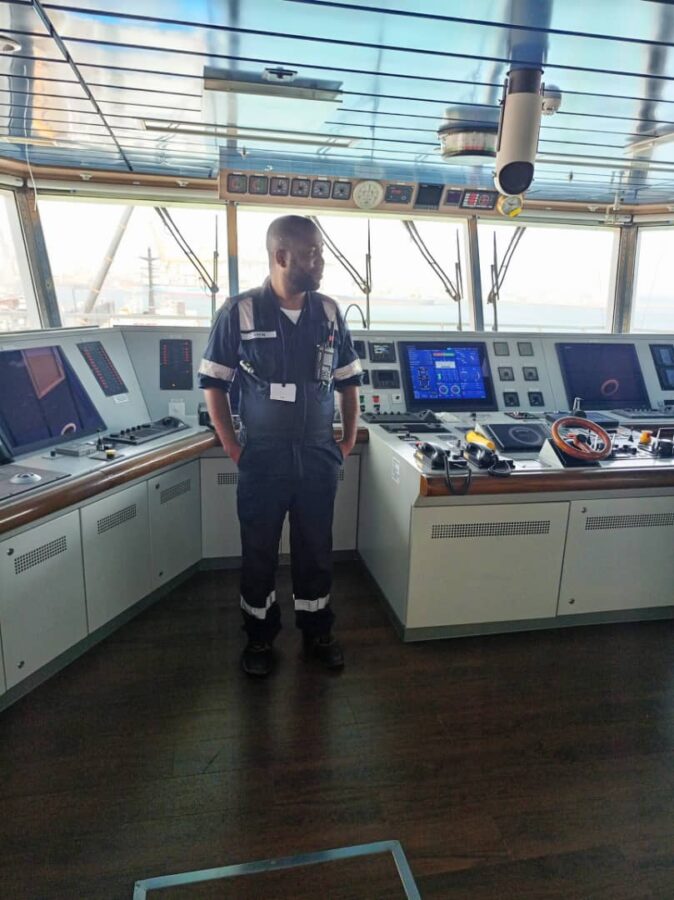
What is it like to work in the field offshore as an Electrical and Electronics Engineer. Ekele Madu John has extensive experience as an Electrical and Electronics Engineer across diverse sectors, including land-based operations, marine environments, offshore platforms, and mining industries.
In this article he shares his experience and shows why a career as an Electrical and Electronics Engineer gives variety and opportunities to work on different types of equipment and technologies.
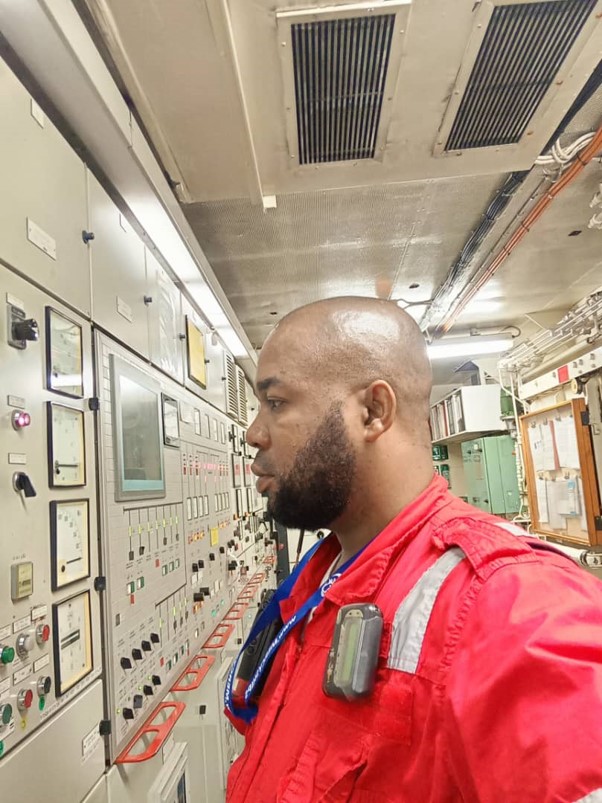
An Electrical and Electronics Engineer in the Oil and Gas industry
Background
Were you interested in science and engineering when you were a child? Did you like understanding how things worked?
Yes, I was always interested in science and engineering as a child. I enjoyed understanding how things worked, which naturally led me to pursue electrical and electronics engineering as a career.
What is the first thing that you can remember taking apart or fixing?
The first thing I can remember taking apart was a wall clock. I was fascinated by the gears and mechanisms inside, and I wanted to understand how it kept time. That curiosity about how everyday objects worked was one of the earliest sparks that led me toward engineering.
Why did you decide to study towards becoming an electrical and electronics engineer rather than a different type of engineering?
I chose electrical and electronics engineering because I was fascinated by how electricity powers almost everything around us, from simple household devices to complex industrial systems. I wanted to understand not just how things worked mechanically, but how energy and control systems made them function.
This field offered the perfect balance of theory and practical application, and it gave me the opportunity to work on projects that directly impact industries like oil and gas, where reliable electrical systems are critical.
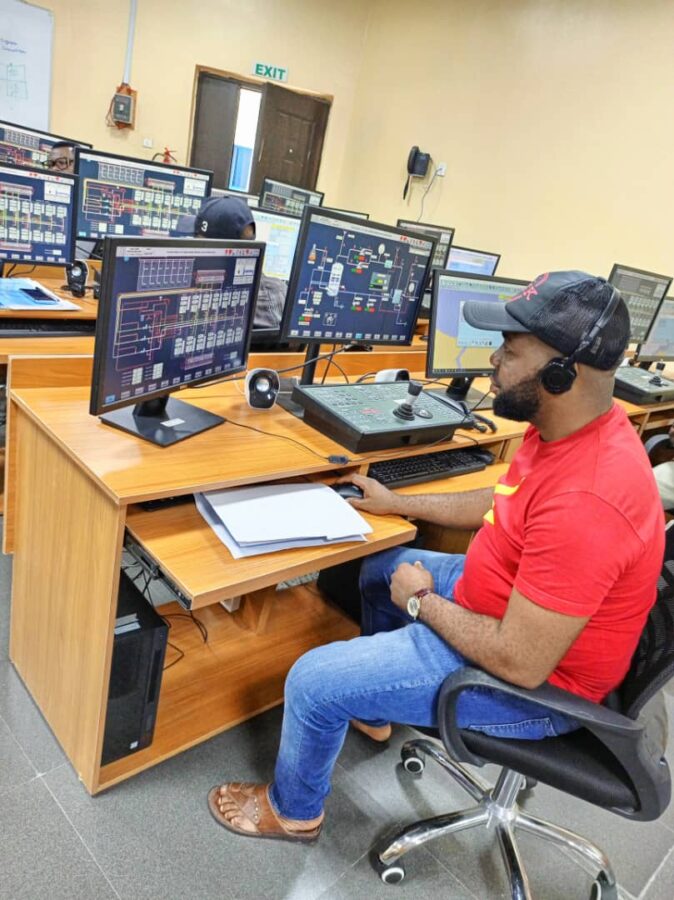
Typical week as a Senior Electrical Engineer – onshore and offshore oil and gas facilities
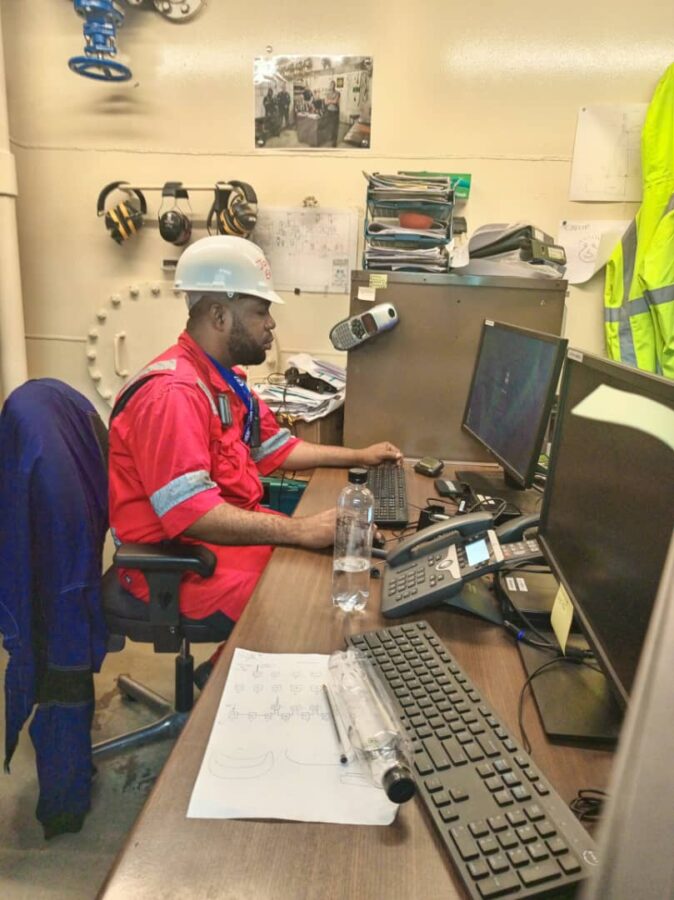
What’s your typical week like? (when preparing for a job/to go offshore)
When preparing to go offshore, my week usually involves reviewing project plans, ensuring all equipment and documentation are ready, conducting safety checks, and coordinating with the team to make sure logistics are in place before departure
What’s your typical week like? (when away offshore)
My week is focused on supervising electrical systems, troubleshooting issues, performing maintenance, and ensuring compliance with safety standards.
Each day can vary depending on operational needs, but reliability and safety are always priorities.
Do you work on a shift or rotational basis? Do you have to be on call at night or weekends?
Yes, I work on a rotational basis, typically two weeks offshore followed by two weeks onshore.
This arrangement allows me to balance intensive fieldwork with planning, reporting, and coordination tasks when back onshore.
There are times when I need to be on call at night or weekends, especially if critical systems require immediate attention. Being available ensures that operations run smoothly without interruptions.
How important is physical fitness at work for you?
Physical fitness is very important because offshore work can be demanding.
Climbing ladders, handling equipment, and working in challenging environments require stamina and strength, so maintaining good fitness is essential for safety and efficiency.
Who else in the organisation do you work with?
I work closely with other engineers, project managers, safety officers, and operations staff. Collaboration is essential offshore, so I coordinate with mechanical and process engineers, as well as technicians, to ensure electrical systems integrate smoothly with overall facility operations.
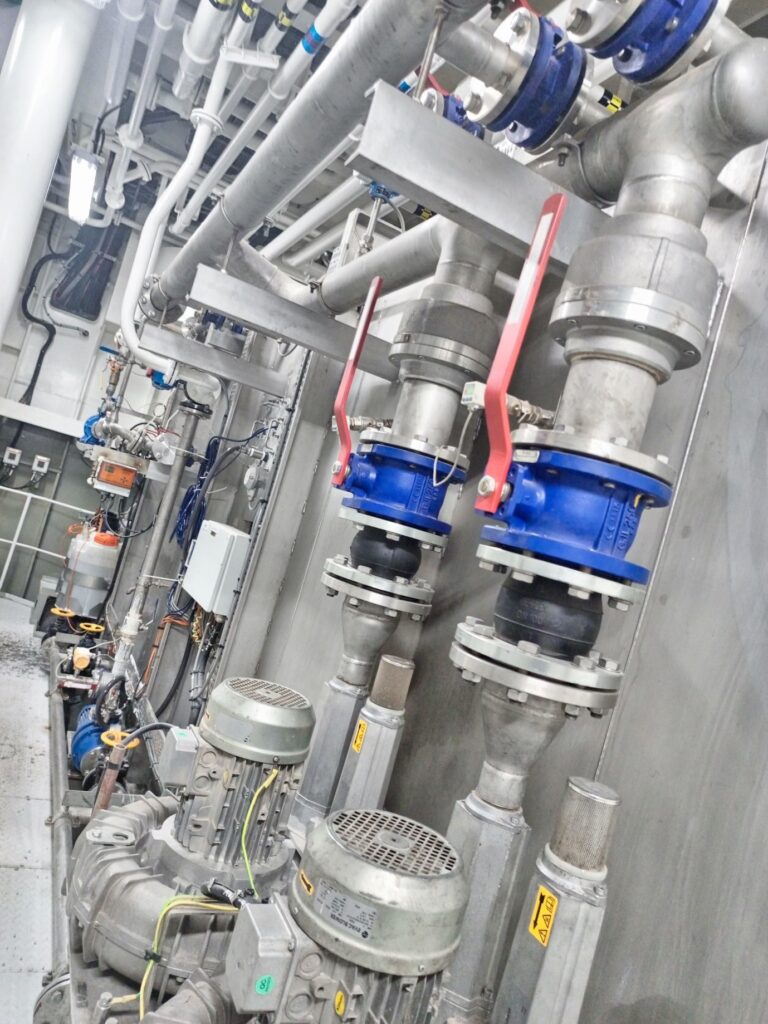
Equipment and Systems used as an Electrical and Electronics Engineer
What are the systems and pieces of equipment you have worked on so far during your career? What would you like to work on in the future?
Throughout my career, I have worked on a wide range of equipment and systems including:
DCS,
server systems,
processors,
clients,
generator safety instruments,
azimuth thrusters,
Ethernet switches,
main switchboards,
purifiers,
HMI,
SCADA,
detector systems,
motor overhauling,
air circuit breakers,
sprinkler systems,
hydraulic systems,
compressors,
transformers,
UPS systems,
PLCs,
lighting systems,
battery banks,
protective relays,
Modbus,
Profibus,
Bow thruster,
Diesel generator,
Diesel engine,
Sewage plant,
Steering gear system,
Throttle system,
communication systems,
and calibration of instruments.
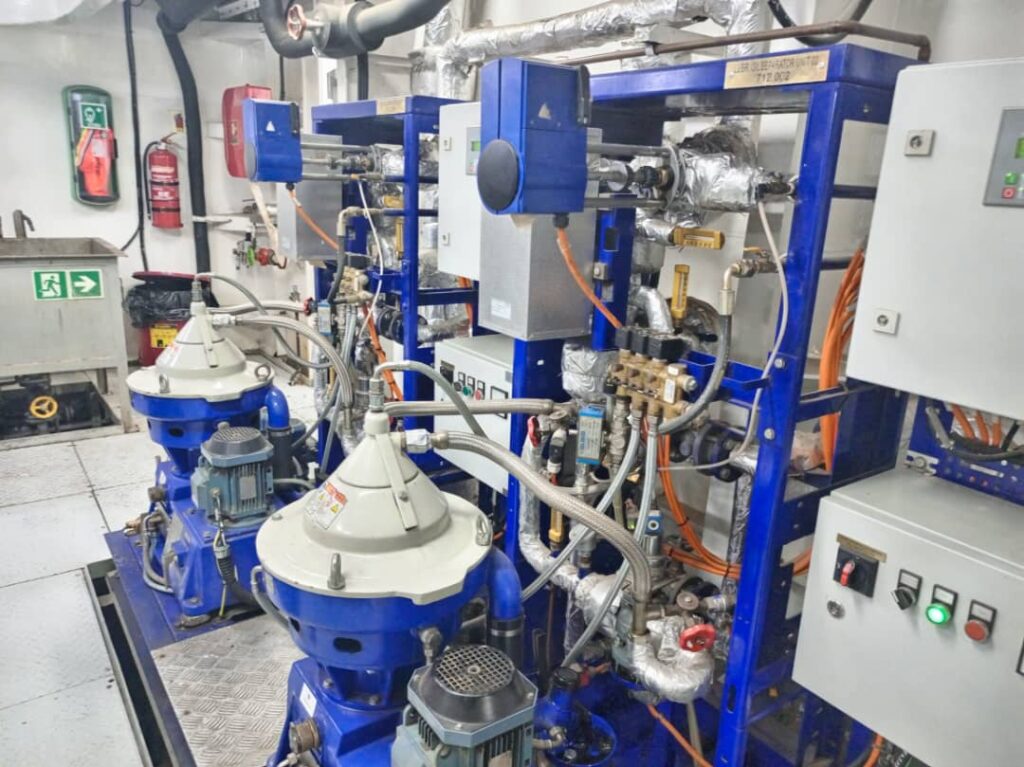
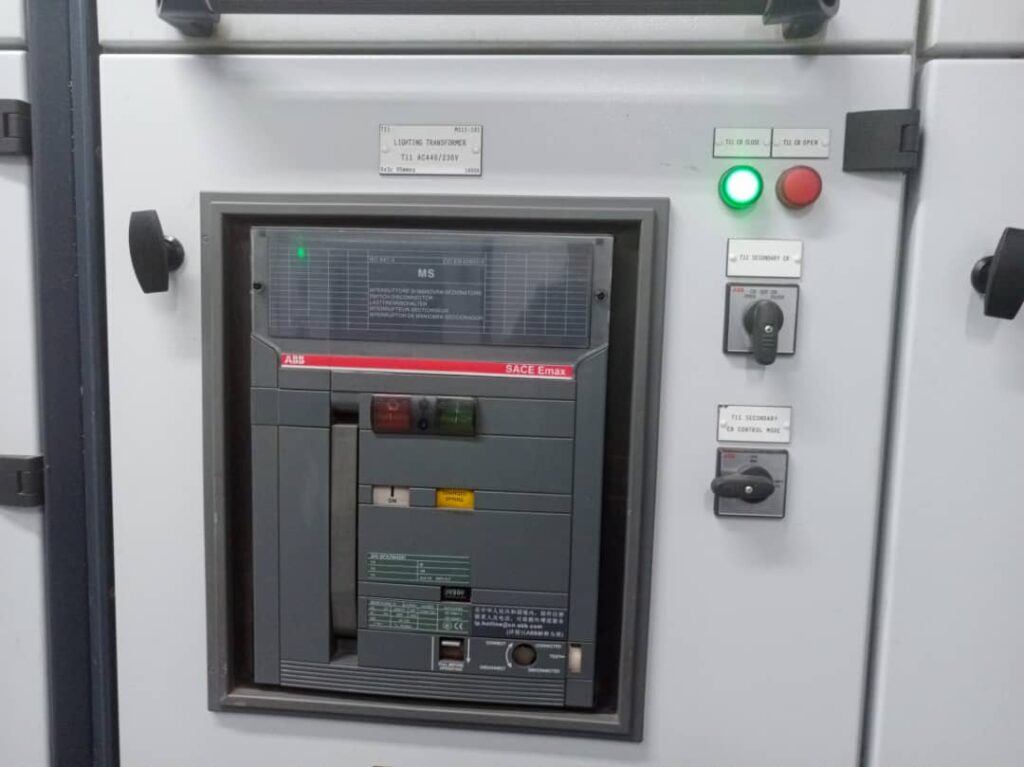
Looking ahead, I would like to gain more experience working on steering gear systems and auto pilot systems to broaden my expertise in advanced marine and automation technologies.
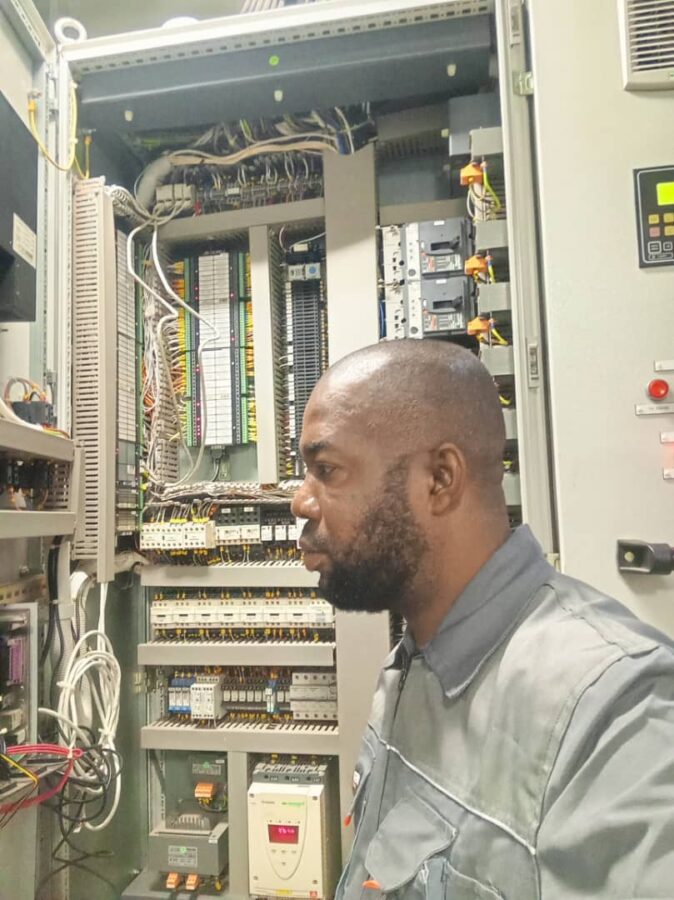
Volunteering as an Electrical and Electronics Engineer on Mercy Ships
You have volunteered twice to work as a Marine Electrical Engineer on Mercy Ships. Why do you think that it is important to volunteer? What did you learn while working on Mercy Ships?
It is important to volunteer with Mercy Ships because I believe the best way to give back to society is by using my professional skills to support humanitarian missions.
By volunteering in the electrical department, I was able to contribute to the safe and reliable operation of the ship, which directly supports the mission of providing medical care to communities in need.
This experience taught me the value of service, teamwork, and applying engineering knowledge to make a real difference in people’s lives.
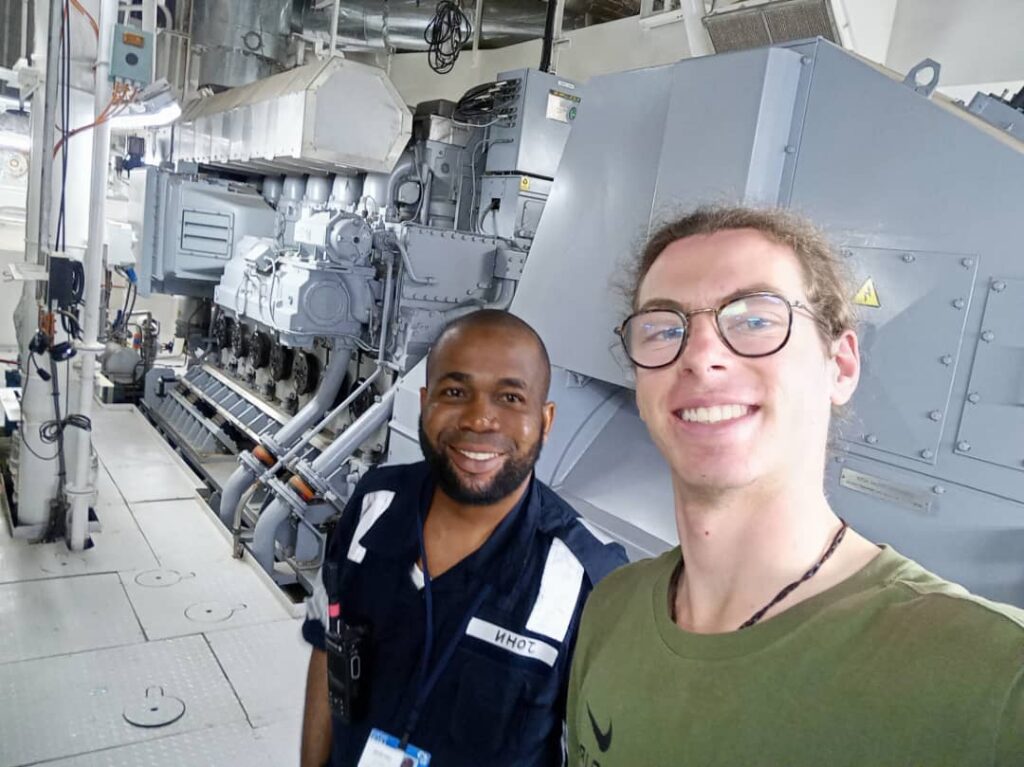
Most challenging part of the job as an Electrical and Electronics Engineer
What do you find most challenging when you are working?
The most challenging part of my work is dealing with unexpected technical faults in critical systems, especially when they occur under time pressure.
Offshore environments demand quick and accurate troubleshooting, and sometimes resources are limited.
Staying calm, applying systematic problem-solving, and coordinating with the team are essential to overcome these challenges while ensuring safety and reliability.
What has been your most challenging job working as an Electrical and Electronics Engineer so far?
My most challenging job so far was troubleshooting a major fault in the main switchboard while offshore.
The situation required immediate action under pressure, with limited resources and harsh conditions. Coordinating with the team, applying systematic fault-finding, and ensuring safety protocols were followed made it a demanding but rewarding experience that strengthened my problem-solving and leadership skills.
Is your role ever uncomfortable because of heat, cramped spaces, bad lighting etc? How do you cope with this?
Yes, my role can sometimes be uncomfortable due to heat, cramped spaces, and poor lighting. I cope with these challenges by strictly following safety procedures, using proper protective equipment, and maintaining focus on the task. Staying disciplined and working systematically helps me adapt to difficult conditions while ensuring the job is completed safely and effectively.
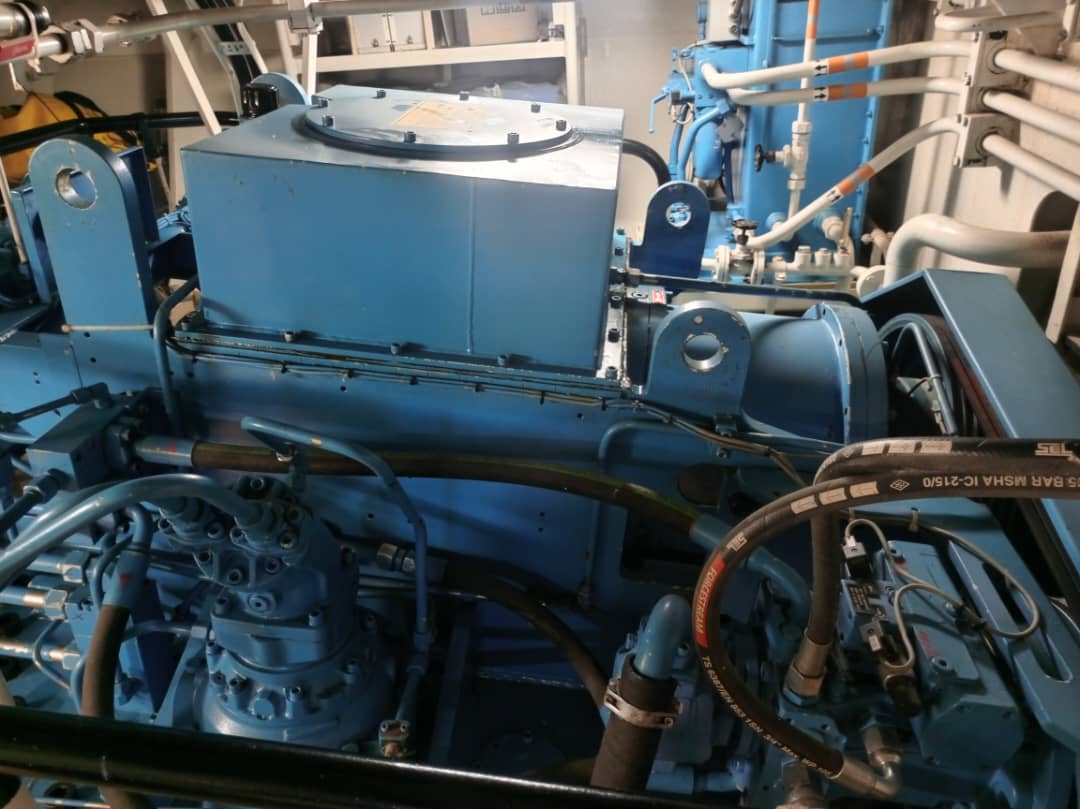
Ekele Madu John, Electrical and Electronics Engineer
Ekele Madu John is a Certified Electrical, Electronics, and Automation Engineer with over 12 years of professional experience in marine, mining, and industrial environments. He holds a Higher National Diploma (HND) in Electrical and Electronics Engineering from Federal Polytechnic, Owerri, where he gained a comprehensive understanding of electrical systems, circuit analysis, power distribution, and control systems. His academic training provided a solid foundation in electrical principles, complemented by extensive hands-on expertise in engineering projects across diverse sectors. He is also a certified Automation Engineer.
Professional Experience
Ekele has successfully executed electrical projects in both onshore facilities and shipboard operations, working with leading organizations:
- Zenith Mining & Construction Ltd – Led automation and electrical maintenance for crushers, conveyors, and screening systems, ensuring operational efficiency and safety compliance.
- Sirte Oil Company Libya: served as Senior Marine Electrical and Electronics Engineer.
- Sirte Marine – Oversaw installation, troubleshooting, and preventive maintenance of marine electrical systems, including switchboards, generators, and navigation lighting.
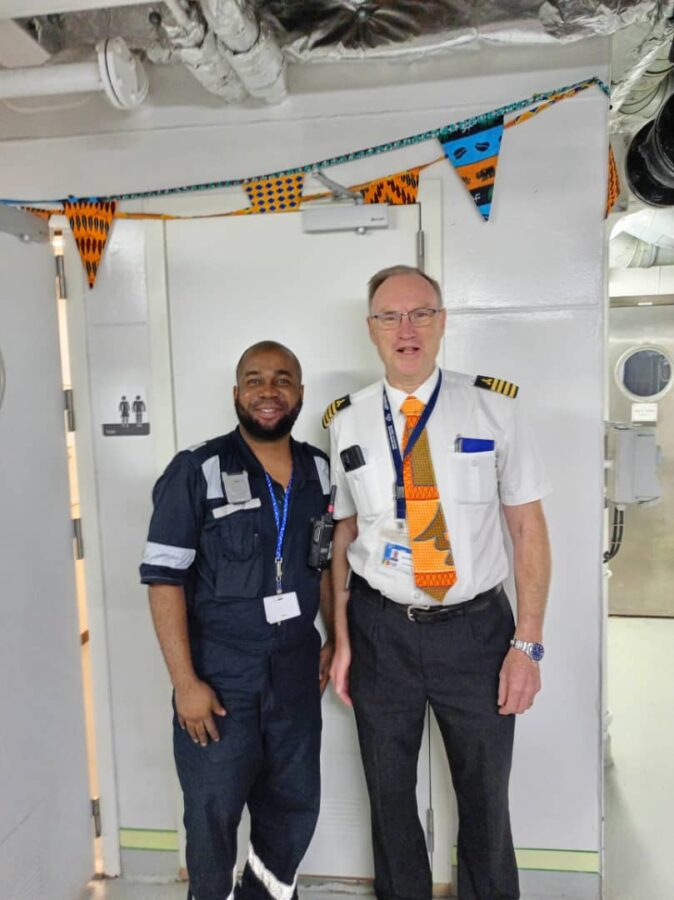
- Mercy Ships Marine – Served as an Electrician, responsible for installation, maintenance, and repair of shipboard electrical systems. Collaborated with multidisciplinary teams, adhered to technical specifications, and ensured compliance with SOLAS (Safety of Life at Sea) regulations. Ekele served on both ships, the Global Mercy and the Africa Mercy.
Across these roles, he developed strong expertise in troubleshooting electrical issues, conducting inspections, and managing preventive maintenance schedules to guarantee system reliability.
Key Qualifications
- Proficiency in Fire Detection and Control Systems, Marine Fire Dampers, Sprinkler Control Systems, Fire Doors, and Switchboard Maintenance.
- Strong knowledge of electrical codes, regulations, and industry standards.
- Ability to read and interpret electrical blueprints, schematics, and technical drawings.
- Experience in testing and commissioning electrical equipment and systems.
- Leadership in repairs and maintenance of electrical systems.
- Expertise in Electrical Automation and Control, including PLC programming.
- Skilled in local control panel assembly and wiring.
- General electrical maintenance and installation of electrical appliances.
- Maintenance of industrial machines and electrical instrumentation works (e.g., level transmitters, glass level gauges, level analyzers, actuators, and pneumatics).
- Development of manufacturing processes in line with global engineering codes and standards.
Further Information about Field Work as an Electrical and Electronics Engineer and work Offshore
One Life and Career in Renewable Energy, Power Systems & E-Mobility
Life of an Automation, Control and Instrumentation Field Service Engineer



Responses