Rich Life as an Engineer – leading, mentoring and volunteering

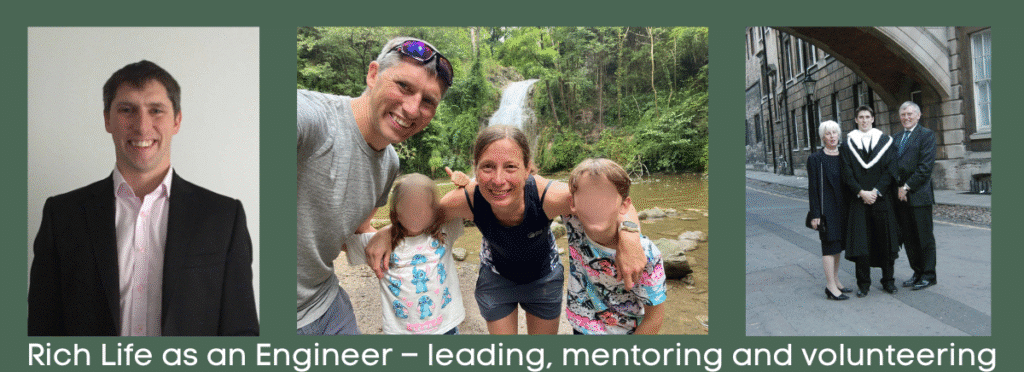
In your life as an engineer, how do you ‘pay it back’ and support others?
Charlie Apps has had positive influences both in education and at work which have helped him.
He, in turn, has mentored and helped others. One clear example of this is his voluntary work at The Field Engineer. Charlie has enriched the community with his suggestions and also with mentoring as well as interviewing and production on the podcast channel.
Charlie has worked as an engineer in the field and as a team leader and feels that part of his life as an engineer should always be to help others achieve too.
“I am a firm believer that people can achieve anything. Of course, it may be difficult to pick up new skills or totally change career course, but I’ve worked with brilliant people doing jobs very different from their academic achievements or a lack of academic qualifications.”
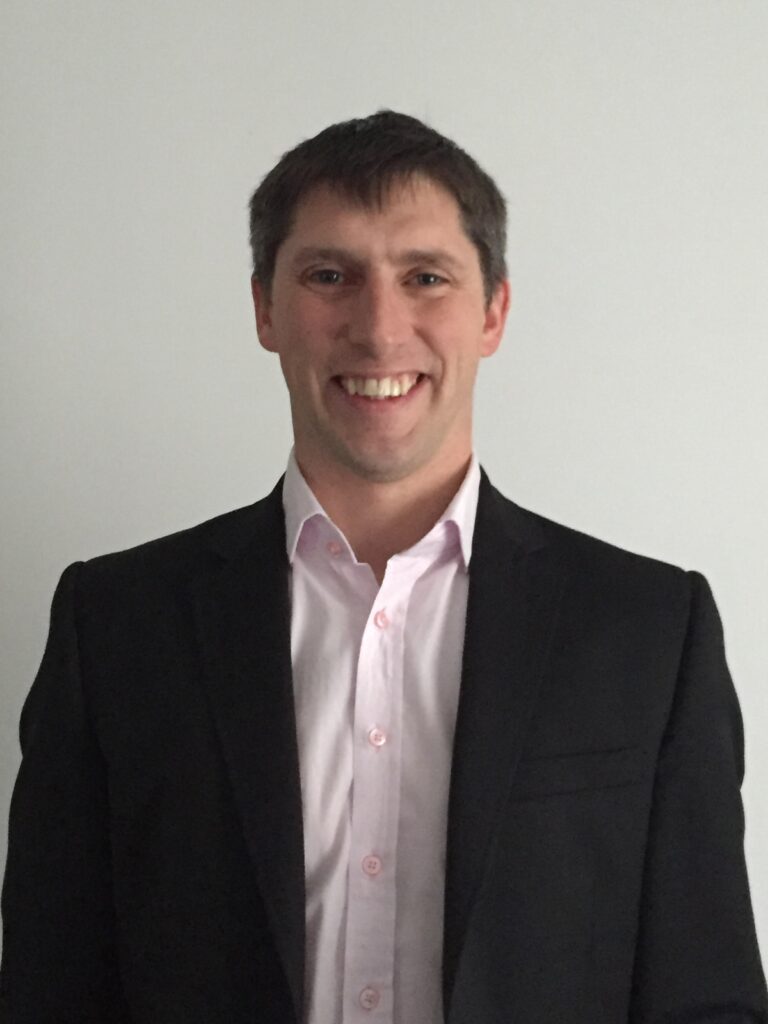
Life as an Engineer – paying it back by volunteering
Background
Your career has focused on people – supporting medical devices – and leading teams. Looking back now on your life as an engineer, why did you take this path, and why has it been important to you?
I am very fortunate to have had the career I’ve had so far. I can’t say that it was all planned.
The choice of getting into the medical devices field was quite deliberate and this came about because of the influence of mentors and teachers whilst at secondary/high school and subsequent opportunities at university.
I was drawn to med tech because I’m fascinated by technology and believe contributing to technology that treats patients is fundamentally a good way to spend a life.
I started line managing people for the first time around 29, this path was again a deliberate choice to move up the career ladder, this is something that I had to work at and push for as it wasn’t offered to me. I’ve learnt a lot since then and believe I’ve developed a great deal having line managed people and teams for the last 15+years.
Starting working life as engineer
Why did biomedical/medical engineering attract you rather than another type of engineering?
I actually studied Engineering Science rather than biomedical engineering specifically. It was a brilliant course that gave me good fundamentals of electrical/electronic, civil, mechanical and chemical engineering. These fundamentals can be applied to a lot of medical devices.
So, in a sense I chose all other types of engineering rather than biomedical engineering (I did specialise in electrical/electronic and control systems in my final year of university).
I think a lot of engineers are puzzle and problem solvers and have a lot in common irrespective of their chosen speciality.
I am also a firm believer that people can achieve anything. Of course, it may be difficult to pick up new skills or totally change career course, but I’ve worked with brilliant people doing jobs very different from their academic achievements or a lack of academic qualifications.
Your wife is a doctor, has this made your work with medical devices more relevant to you?
It’s brilliant to have a doctor on hand to sense check some things that I might come across.
I would like to think it cuts both ways, and I may help out with a perspective on the people she interacts with coming from industry (pharmaceutical or medtech) in her work. Or give the perspective of private versus public sector work.
I think it also helps to have some (limited) insight into each other’s world as we can sympathise and support each other when one of us has had a bad day or celebrate a good one. We didn’t meet through work which means that we’ve never had any personal/professional cross-over or tension.
Influences during your life as an engineer
Again, looking back, who have been big influences on your life as an engineer?
Undoubtedly, I owe much to my parents. My mother was a teacher and my father an accountant.
From a young age I was exposed to Lego and games that had a technical or engineering element. I have fond memories of building Scalextric tracks and making a radio-controlled kit car. Playing board games and card games growing up I think honed some analytical and strategic thinking.
I find it amazing looking back how early teachers had an impact on my choice of subjects.
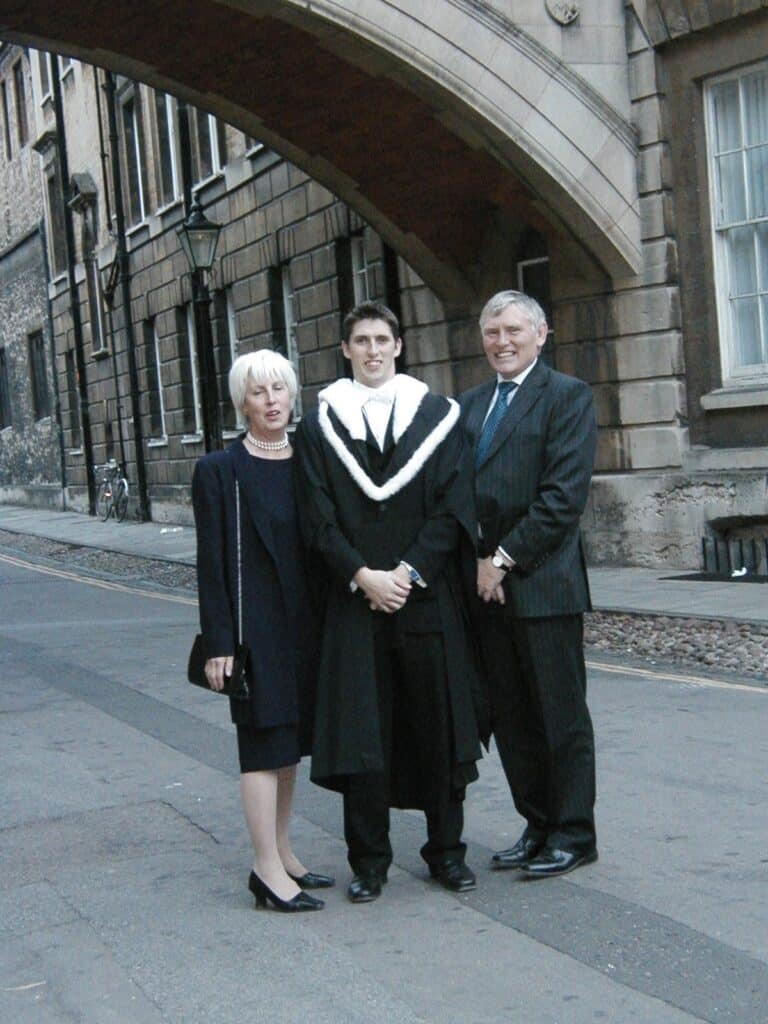
I tended to not enjoy the subjects where I didn’t align well with a particular teacher. This meant I generally got on well and was inspired by my maths and physics teachers and they undoubtedly had a huge impact on me choosing engineering and ending up with a place at the University of Oxford.
These days I can generally find interest in a very wide variety of subjects, and I enjoy learning new skills or picking old ones back up.
Volunteer work for The Field Engineer
You’ve been involved with The Field Engineer since January 2024.
Why did you join?
Having worked as an engineer in field service, hired and managed service engineers for a large proportion of my career the community was a very natural fit. When I was approached, I didn’t hesitate to join.
I also felt I could share my experience and mentor those of the community who are earlier in their careers. I’ve had mentors, mostly informal, as I’ve gone through my career as an engineer but never had anything like the field engineer community.
You quickly became an active member and are now an Advisory Team Member. Why is it important to you to volunteer?
Communities don’t build themselves; they don’t just occur by chance. It takes people like Caroline and Tim to take action. I felt I could help to contribute to developing the community and I had time to help.
I think it’s good for others to see other members contributing and volunteering and inspire them to help (or at least if people think they can do a better job to challenge them to get involved and contribute in a constructive way).
For those that are reading this I suggest reaching out to me or Tim or Caroline if there are any skills or time you can bring to contribute to help building on the success of the community.
You’ve been involved with mentoring as well as interviewing and production on the podcast channel. What has this involved? Why do you think it is important to ‘pay it back’?
I’m sure anyone can relate to when they’ve received some valuable feedback or had someone who’s had a profound impact in their life or career.
When I look back on my life in education and as an engineer, I want to be like those people who helped me so paying it back is a no-brainer.
When I’ve managed people professionally part of that role has been to coach or mentor – and not necessarily in forced or formal way – there are a million and one ways to share experience, and I won’t claim to always get it right. Fundamentally I enjoy teaching and coaching, and I hope I’m not terrible at it.
Why would you recommend volunteering to other engineers?
It is a rewarding way to help the community, and we will develop more as a community the more things we are able to do and offer and that takes members to step up and get involved.
Getting involved can get you more exposure if you want it or if you’d prefer there are plenty of quiet, behind the scenes roles and support members of the community can contribute to.
Work life balance as an engineer and father
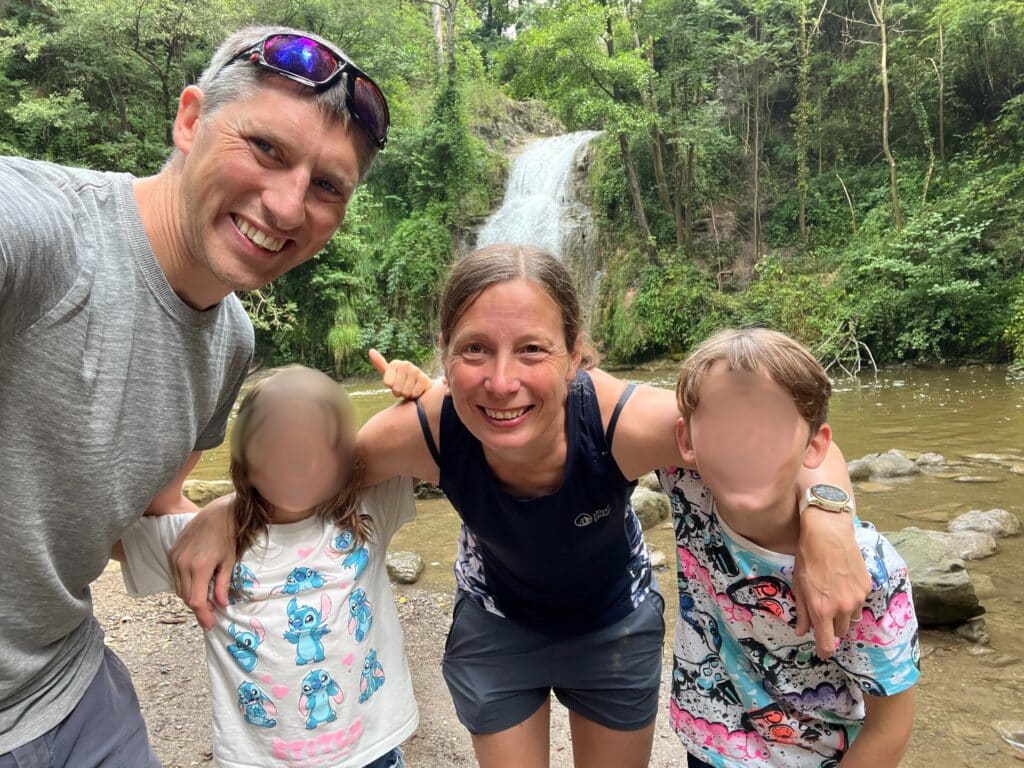
You are a father or two. How do you balance working, volunteering and family?
A friend years ago said to me – you know how it is Charlie sometimes your career is the focus, sometimes your partner’s career is the focus and sometimes you both need to be cruising and family is the focus.
I’m not suggesting for one second that my family doesn’t come first – it does! Often my wife and I approach family life like a sports team. We all need to contribute to succeed, sometimes we need to support the rest of the team, sometimes we need to develop ourselves, sometimes the best thing we can do is step back and sometimes it’s down to us to push forward.
The balance happens. I can’t claim it’s 100% right all of the time, but I think we do alright.
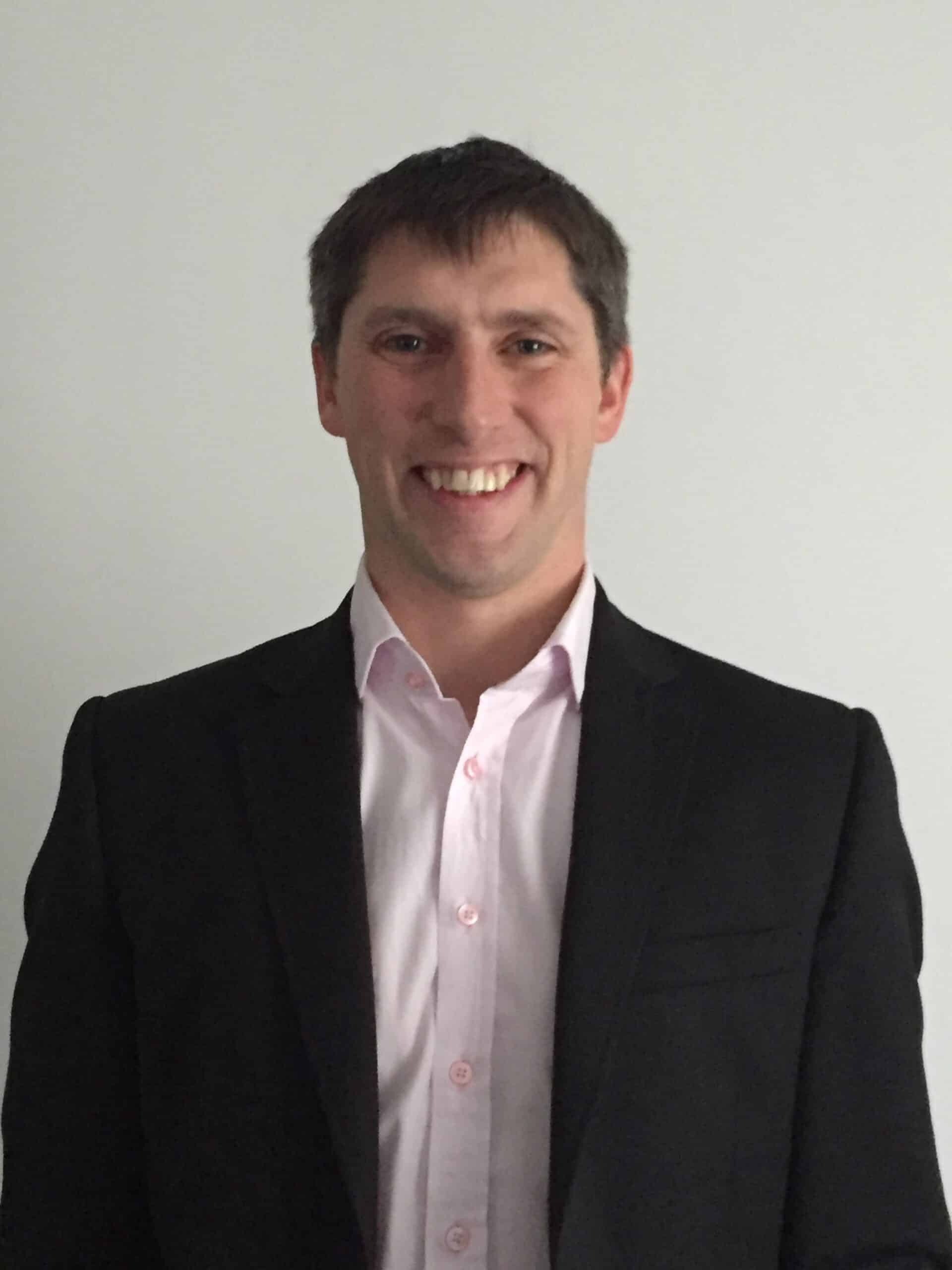
Charlie Apps
Charlie Apps is a Med Tech leader with experience building field service organisations in Europe and technical support capabilities globally. At CMR Surgical, he moved from field service and support to global technical support. During his time as an engineer at Abbott, he was responsible for field service throughout the EMEA region. This article focuses on his career and how to build successful global technical field support teams.

Further information
You can learn more about Charlie’s career as an engineer and leader here:
Field Service Leader Guy Eid interviews Medical Technology leader Charlie Apps
If you need inspiration as an engineer, then here are some quotes from our members to inspire those working as an engineer in the field:
Best Interesting Quotes when you need help as a Field Engineer
Two of Charlie’s mentees:
Starting a career as an engineer in Marine Engineering



Responses