
Life and Work of a Flow Cytometry Field Service Engineer

Last Updated on 12 November 2026 by Tim Robertson
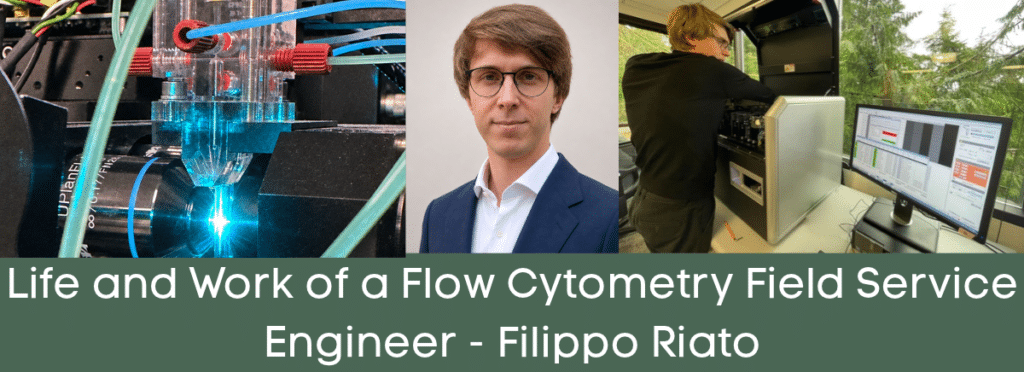
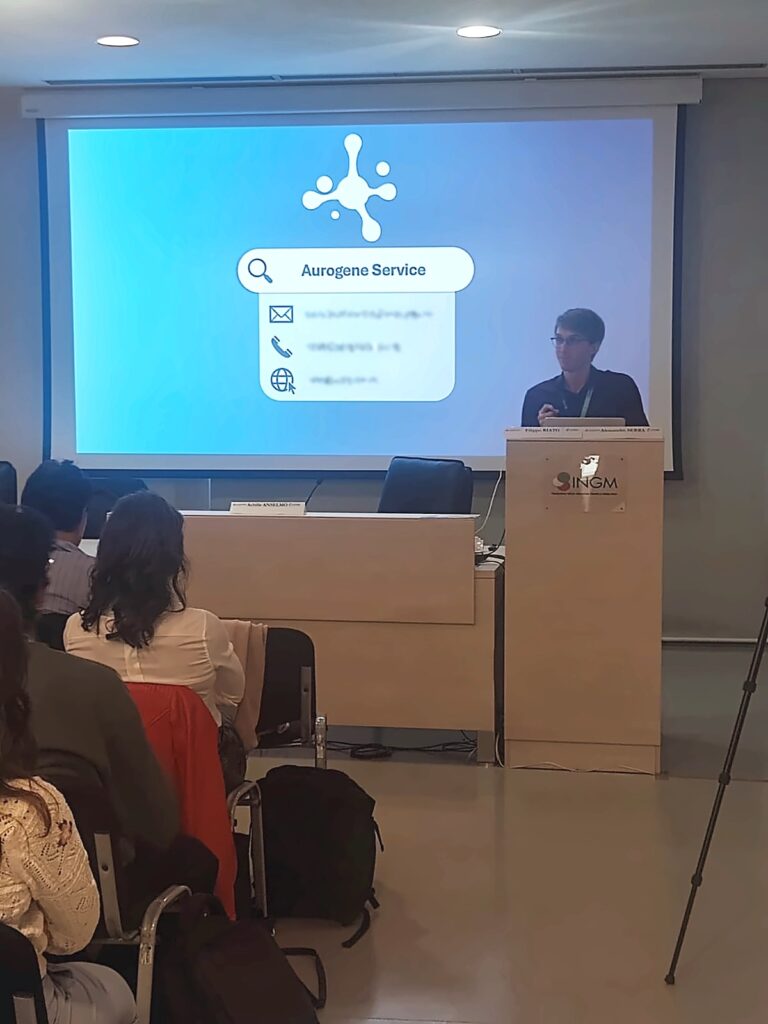
What is it like to work as a Flow Cytometry Field Service Engineer? Filippo Riato works for Aurogene in Italy focusing on flow cytometry and he installs, commissions, maintains and repairs full-spectrum flow cytometers, cell sorters and imaging systems. He travels throughout Italy and also trains the customers on instrument operation. Filippo is based in Vicenza in the northeast of Italy.
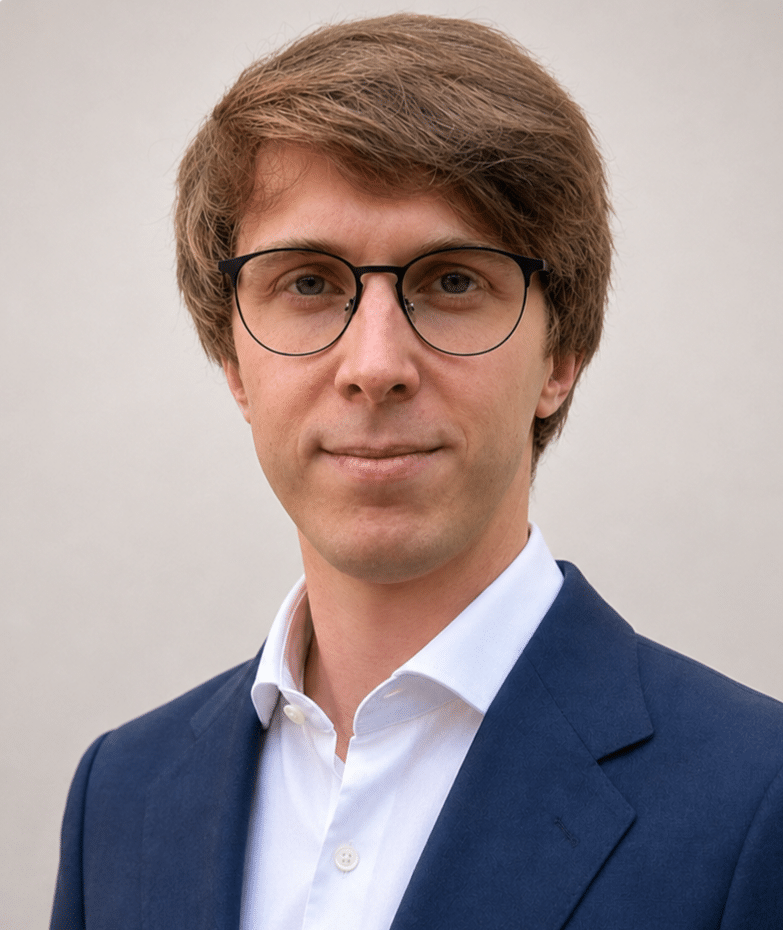
Field Service Engineer for Flow Cytometry, Cell Sorters, Imaging Systems
Background and path to engineering
Have you always liked knowing how things work? Have you always liked fixing things? Any examples?
Since my school years, I’ve never been satisfied with knowing what a machine does. I wanted to understand how it does it: the mechanisms, the logic behind every movement. Fixing is the natural next step. Once you understand how something works, you can work out why it stopped.
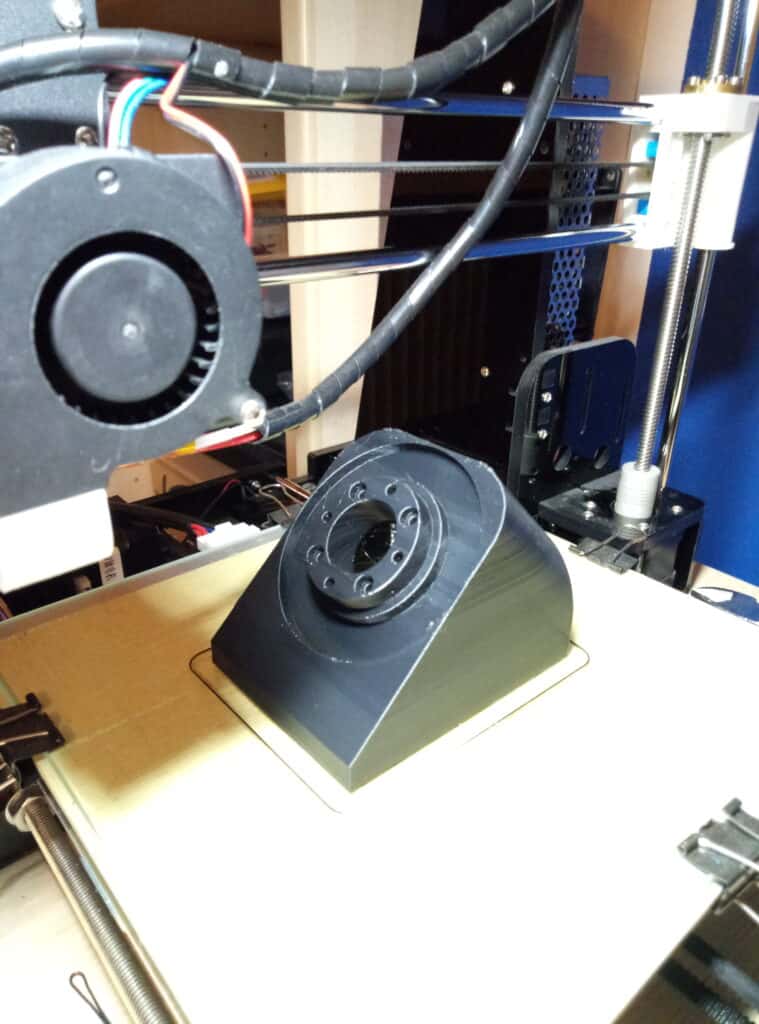
I think back to the arrival of the first consumer 3D printers, which came completely disassembled. I still remember the amazement and excitement of putting one together piece by piece and watching it start to print. It felt like stepping into a whole new world of technology.
Were there any childhood interests which led to working as an engineer?
My passion for technology and the way it keeps changing is what drew me into this world. Many jobs only reveal themselves when you find them in front of you. I had no idea field service engineering existed until I came across it. Once I did, it felt like the perfect fit.
Do you come from a technical/practical/engineering family?
Not strictly an engineering family, but a practical one. My grandparents lived through times very different from today’s. They taught me the value of repairing things instead of throwing them away. Their philosophy was simple: there is always a way to fix a problem. That mindset is exactly what field service is about. Every faulty instrument is a puzzle, and giving up is never an option.
Great Italian Engineers
Who do you consider to be the greatest scientist or engineer ever (and why)?
It’s hard to pick just one, but I’d name two Italians.
Federico Faggin, from Vicenza, led the design of the first commercial microprocessor, the Intel 4004. Almost everything I work on today runs on that idea.
Antonio Meucci developed an early telephone system and kept going despite poverty and legal battles. I admire people who combine technical vision with perseverance.
Working as a CNC Programmer
After studying you worked as a CNC Programmer. What did your work involve and what skills did you develop (hard and soft)?
After my studies, I entered the world of programming machines for industrial production. My focus was EDM (electrical discharge machining) equipment, widely used to make moulds for thermoplastics. Precision was the main factor. It made me confident in reading technical drawings, programming machine paths, and understanding tolerances and materials. Teamwork mattered just as much. Working closely with the different production departments taught me to communicate clearly and plan, so that production stayed on schedule.
Equipment and Instrumentation
What are the types of equipment you work on (and have worked on)?
I started with EDM machines for industrial production. For the last six years I have worked on flow cytometers used in research and clinical laboratories, including full spectrum and imaging systems.
What is the best piece of equipment you have ever worked on?
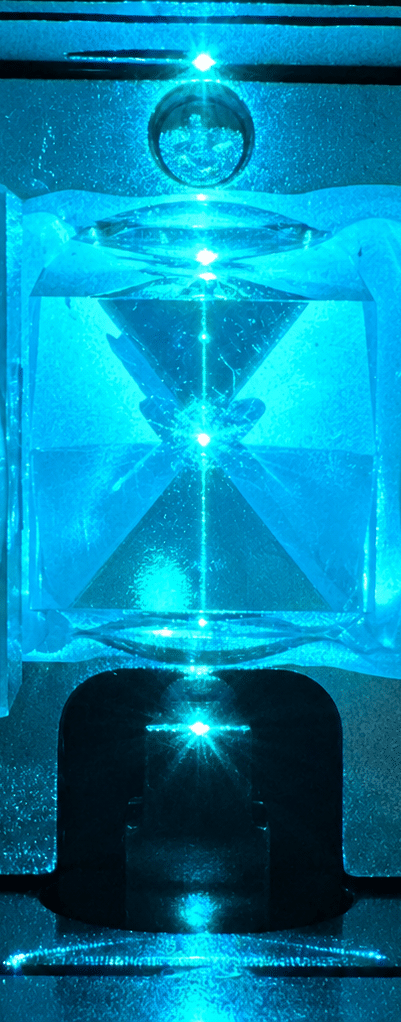
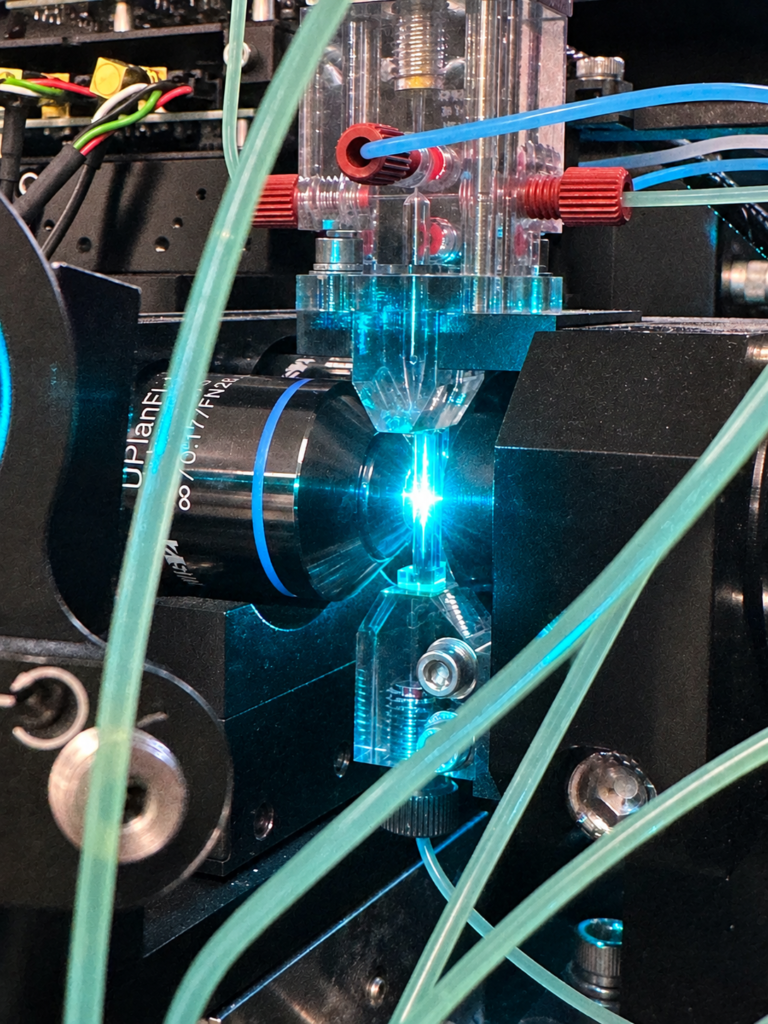
Hands down, flow cytometry specifically the full spectrum flow cytometer. It counts and classifies cells with great precision. It is used both in scientific research and in the diagnosis of diseases. What I like is how it combines optics, fluidics, and electronics in a single instrument. Each has its own challenges, and all of them work together to produce one reliable result.
What has been the most difficult piece of equipment you have ever worked on?
An imaging flow cytometer. It combines flow cytometry with microscopy, so you are literally looking at the cells, not just measuring signals from them. That is what makes it so useful. Researchers can see where a protein sits inside a cell, check whether cells are interacting, and confirm what the numbers are telling them.
It is also what makes it difficult. There is a lot of optics, and everything must be perfectly aligned and calibrated. Any small deviation shows up immediately in the image quality. On the downside, it is slower than a conventional cytometer, and the data files are large and heavy to process. It is demanding, but it is also the instrument that has taught me the most about how light behaves.
Is there a piece of equipment/instrument would you like to work on in future?
Flow cytometry is evolving fast. Having worked on both full spectrum and imaging systems, I’m especially curious about instruments that bring the two worlds together: high-parameter analysis combined with real-time visualization of cells as they are acquired. I would like to work on these next-generation platforms. They feel like the next chapter of flow cytometry technology, and they promise plenty more to learn.
Transitioning to Field Service Engineering as a Flow Cytometry Field Service Engineer
Why did you decide to take a role as a Flow Cytometry Field Service Engineer? What attracted you to the role?
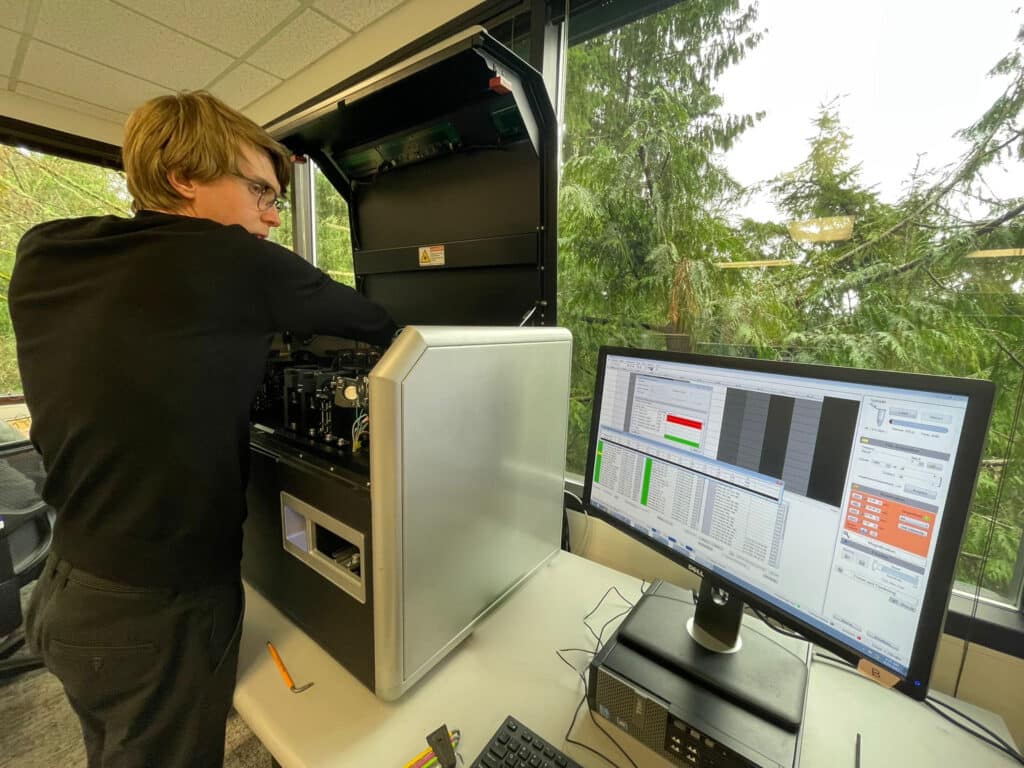
At 20, I discovered the world of field service engineering and seized the opportunity to enter a niche of the medical device industry: supporting flow cytometry systems used in both research and clinical settings. What attracted me was the variety in flow cytometry. Every day brings a different instrument, a different lab, and a different problem to solve.
Why do you think this was a good career choice for you?
Because working in flow cytometry demands extreme attention to detail and a lot of flexibility. Every day puts me in front of complex instruments and difficult situations are never in short supply. But when you get through them and look back, you realize you are capable of more than you thought.
It also suits my character. I’m methodical and organized, which helps a lot when troubleshooting. I’m naturally a bit shy, and working directly with customers has pushed me to communicate with more confidence. I still have a lot to learn, and flow cytometry has taken me around the world to do it, which is why I can’t imagine getting bored.
Communication as a Field Service Engineer
You speak English and Italian. A key part of the role of a Field Service Engineer is communicating with customers. Do you think fluency in two languages makes you a better communicator as an engineer?
Yes, absolutely. Communication is a core part of the role, because we act as the link between the company and the customer. You must read a situation accurately and hold clear conversations. Speaking more than one language widens the range of people I can work with: customers, international colleagues, and the manufacturer’s support. It also makes me pay attention to how I explain things, not only to what I say.
Typical week with Aurogene Srl as a Flow Cytometry Field Service Engineer
What’s your typical week like as a Flow Cytometry Field Service Engineer?
It’s very variable. I usually start by reviewing and organising the routine maintenance plans for the various flow cytometry instruments. I always leave enough room for emergencies such as machine downtime. Some days are spent on site for installations, preventive maintenance, and repairs. Others are spent in the office, supporting customers remotely.
In between comes the preparation of each trip. It may sound obvious, but getting in front of the instrument is never a given. Logistics and having the right parts and tools with me all have to work out before the real job can begin. Then there is the paperwork: service reports, customer records, and the spare parts inventory, so I always know what I have and what needs to be ordered.
No two weeks are the same. The plan is just a starting point and the instruments decide the rest.
Who gives you support when you need it? (official channels and non-official)
I have been lucky to have a mentor with 40 years of experience in flow cytometry, who has guided me since I entered the flow cytometry field and who truly believes in the younger generation. Then there are the technical teams, where customer care becomes field engineer care when a case is complex. For me, support is not just being handed the answer. It is having someone to think the problem through with, so that you reach the solution together.
What are your tips for the best ways to share knowledge and experience with other engineers?
One of the best examples is a community like The Field Engineer, where engineers share their own stories and experiences. Technology makes this faster than ever: a solution found by one engineer can help the whole community within hours.
Building relationships with customers
How do you start to build a relationship with a new customer?
With a new customer I start from scratch, so the first thing I do is listen. I want to understand how they use the instrument, what their priorities are, and what has gone wrong in the past, because that tells me what a good outcome means for them. I bring the same attention to customers I already know, but at the beginning it matters most, since there is no shared history yet.
In the end, I want the customer to be able to rely on the person who looks after their instrument, knowing it will keep performing at its best.
How do you develop the relationship so that it becomes more than just ‘supplier’ and ‘customer’?
At first, every new engineer is watched closely, and when you are young it shows a little more. Results change that. Once the customer sees them, caution turns into trust.
After that, I try to be useful beyond the repair. I offer advice before problems appear, I am available even for small questions, and I pay attention to the customer’s deadlines. Over time, it stops being supplier and customer and becomes person to person, built on respect and a shared goal.
How do you keep everything calm when a job is very urgent?
Urgent jobs are a real challenge, particularly when you would need to be in several places at the same time. Prioritization is the key. I begin by analysing the situation and identifying the most critical issues, so that effort goes where it matters most. I also try to channel the natural tension of the moment into focus.
What are your techniques for explaining technical things to non-technical people?
I always begin by gauging the customer’s level of familiarity with the instrument. My starting point is a simple explanation, focused on the issue and its impact on their work. Whenever possible, I show them the parts involved, because a quick look inside the instrument often says more than five minutes of talking. From there I adapt. Customers who are less technical receive a clear, essential overview, while more experienced users can go into greater depth. In both cases, the goal is the same: that the customer understands what was done and why.
Most challenging part of the job
What do you find most challenging when you are working as a flow cytometry field service engineer – technical side or people/customers?
Honestly, it is a balance between the two. The technical side has its own logic: you can test, measure, and rule things out one by one. The people side is less predictable, because every customer has different expectations, deadlines, and pressures.
What has been your most challenging job in flow cytometry to date?
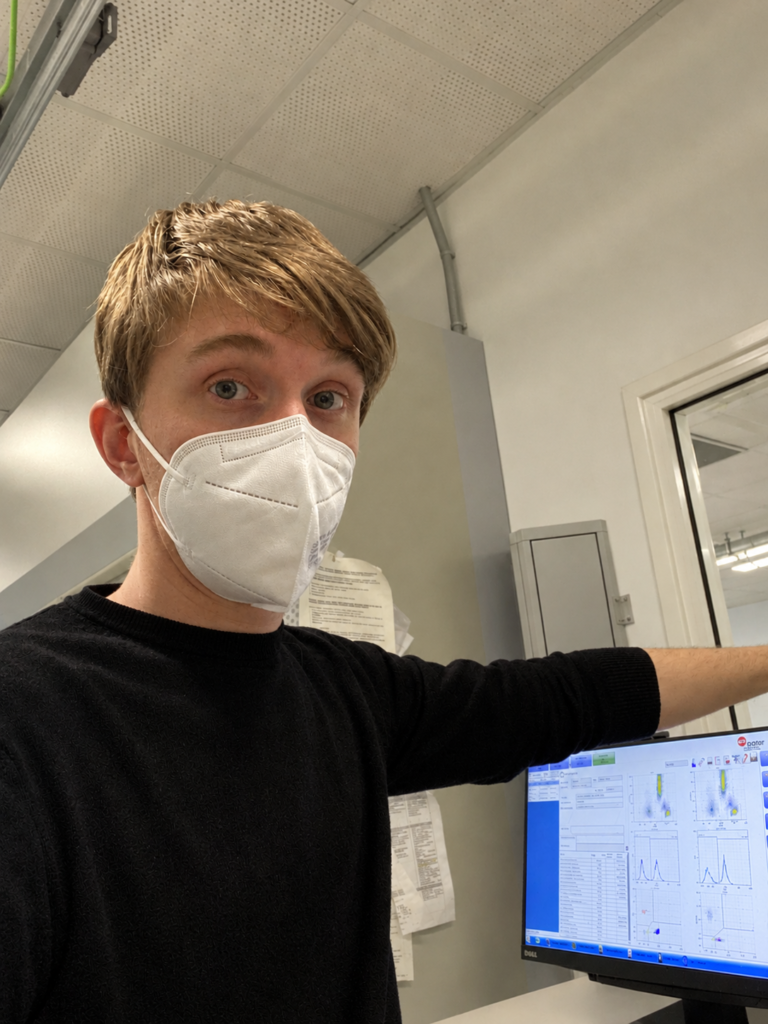
The alarm went off early, and by 6 a.m. I was already on the road to a customer’s site. The job was a complex repair on a diagnostic instrument used for clinical reporting. Nothing about the day was simple. Each problem we solved seemed to uncover the next. We got there in the end, and the instrument was working again. But it was late by then. Between finishing up and the drive home, the hours kept slipping away. When I finally opened my front door, it was already 1 a.m. the next day.
Have you ever arrived on site and found that it’s been much easier than you expected? For example, have you just needed to switch on a machine.
Yes, it does happen, particularly with systems made of dozens of variables and subsystems. On one occasion, a customer’s instrument stopped working. Based on similar behaviour I had seen before, we feared the worst: that one of the main components, and one of the hardest to replace, had failed. On arrival, however, I found that a tube connected to the instrument had been crushed behind the table, blocking its operation. We all breathed a big sigh of relief.
Making a future star
Apart from a strong technical background, what are the three most important skills for a field service engineer to have?
The first is precision. Everything gets easier when a system follows clear procedures, and that goes for customer care as much as for the field work itself.
The second is patience, because in this world you need plenty of it (a good sense of humor helps too). Instruments rarely fail in a simple way, and rushing almost always costs more time than it saves.
The third is situational awareness: the ability to read the whole picture. That means not only the instrument but also the environment, the customer’s priorities, and the small details that are not written in any manual. Often the real cause of a problem is hiding in something you notice only if you take a step back and look around.
How do you think young people who are studying can be encouraged to consider a career as a field service engineer?
The first step is visibility. Many young people never consider this profession simply because they do not know it exists, as was the case for me. Partnerships between companies and technical schools, internships, and visits to laboratories would let students see the work up close and speak with those who do it.
It is also important to be honest about what the role involves. It demands precision, patience, and adaptability, and it presents real challenges. Yet each challenge overcome builds confidence, and the learning never stops.
In my field, behind every instrument that starts working again, there is a result that can move research forward or help a diagnosis arrive on time.
This part is rarely visible from the outside, since our work happens behind the scenes, in the space between a problem and a discovery. But it is what makes the work worth doing.
Further Reading about Flow Cytometry
Life as a Biomedical Engineer travelling globally
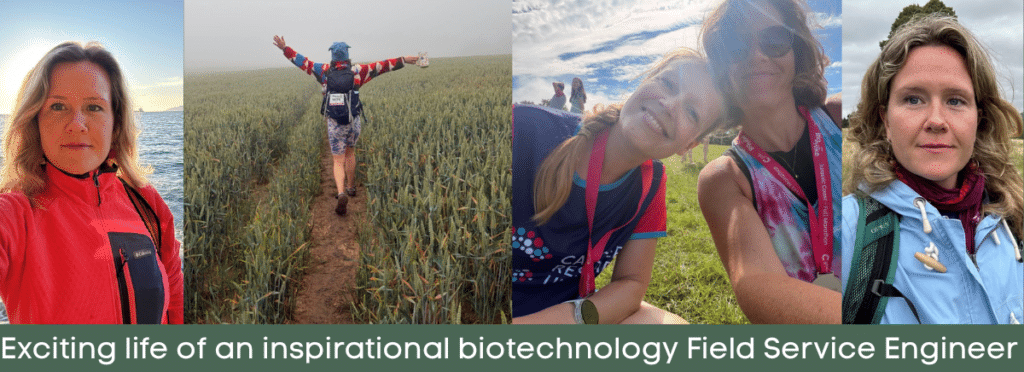
Exciting life of an inspirational biotechnology field service engineer


Responses