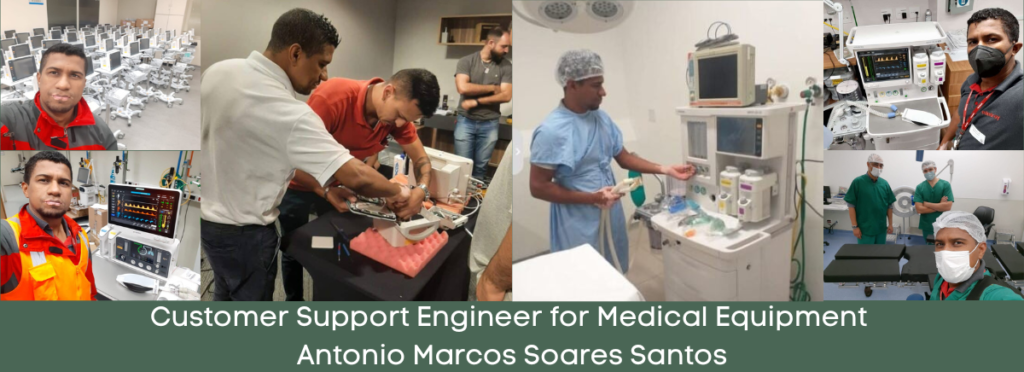
Customer Support Engineer for Medical Equipment

Last Updated on 3 August 2026 by Tim Robertson
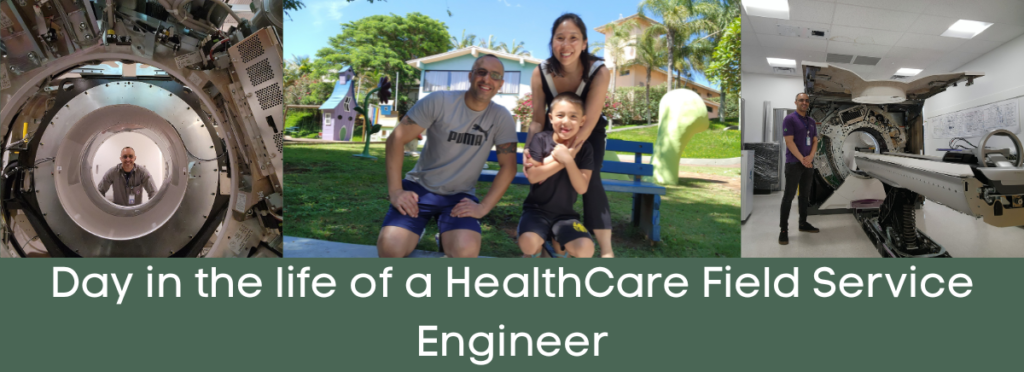
What is it like to work as a Customer Support Engineer for medical equipment? Meet Antonio Marcos Soares Santos who transitioned from the aerospace industry to medical industry, and has worked as a Field Service Engineer and then a Customer Support Engineer.
Antonio worked throughout the Covid pandemic and during that period, he became one of the professionals who installed the highest number of Mindray ventilators worldwide.
A Journey from Homemade Toys to Customer Support Engineer
Background and path to Customer Support Engineer
Have you always been interested in the way things work? Did you have any toys which showed this?
I grew up in a small town in north-eastern Brazil as one of ten siblings. I was the ninth child in a family of seven boys and three girls.
Buying toys was not something most families around us could easily afford, so if I wanted a toy, I usually had to make it myself.
I built toys from sticks, vegetables from the garden, empty tins, matchboxes and whatever materials I could find. One of my favourite games was rolling an old bicycle rim through the streets with a broom handle.
When my family later moved to a larger city, I discovered comic books. Besides the stories, I became fascinated by drawings of machines, aircraft, bridges and famous cities such as London and New York. Those illustrations fuelled my curiosity about engineering.
Looking back, I realise those simple childhood experiences taught me creativity, observation and problem-solving long before I knew what engineering was. I was also the first person in my family to pursue an engineering career.
Did you like science and technology as a child?
Yes. I have always been curious about how things worked. Even before I had any formal engineering education, I enjoyed building, repairing and improving things with whatever resources were available. I think engineering started as curiosity long before it became my profession.
Who do you consider is a great engineer/scientist?
From Brazil, I greatly admire Alberto Santos-Dumont for his pioneering contribution to aviation. Internationally, Nikola Tesla has always inspired me because of his creativity and vision. Both remind me that engineering is ultimately about improving people’s lives through innovation.
Aerospace to Medical and to Field Service and Customer Support Engineer
You started your career working in aerospace. What did your job involve?
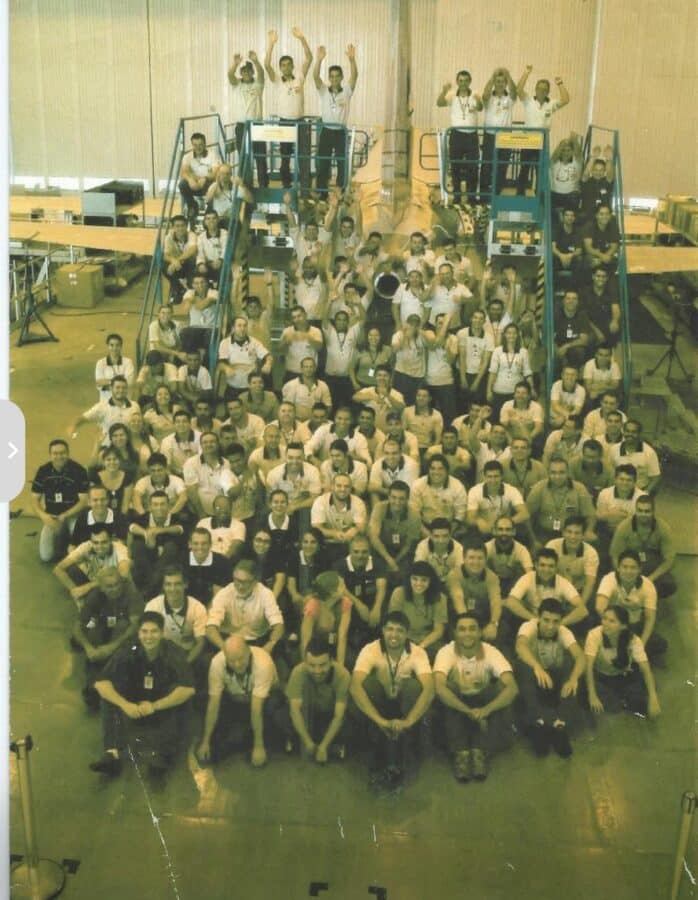
My career began at Embraer, one of the world’s largest aircraft manufacturers. I worked in aircraft assembly under extremely demanding quality, traceability and safety standards. Every task mattered because the final product would carry people safely around the world. That experience taught me discipline, precision and responsibility.
You then transitioned to medical. Which skills did you take with you?
The transition felt very natural because both aerospace and medical technology demand reliability.
I brought with me a structured approach to troubleshooting, attention to detail, technical documentation, teamwork and the ability to remain calm under pressure.
As my career progressed, my role evolved beyond field service and customer support engineer. I began training engineers, developing distributors, providing remote technical support and helping technical teams become more confident and independent.
I realised that sharing knowledge can have an impact far beyond repairing a single piece of equipment.
Working in the Medical Industry as a Field Service and Customer Support Engineer
You have stayed working in the medical industry. Why did you make this decision?
I realised the direct impact medical technology has on people’s lives.
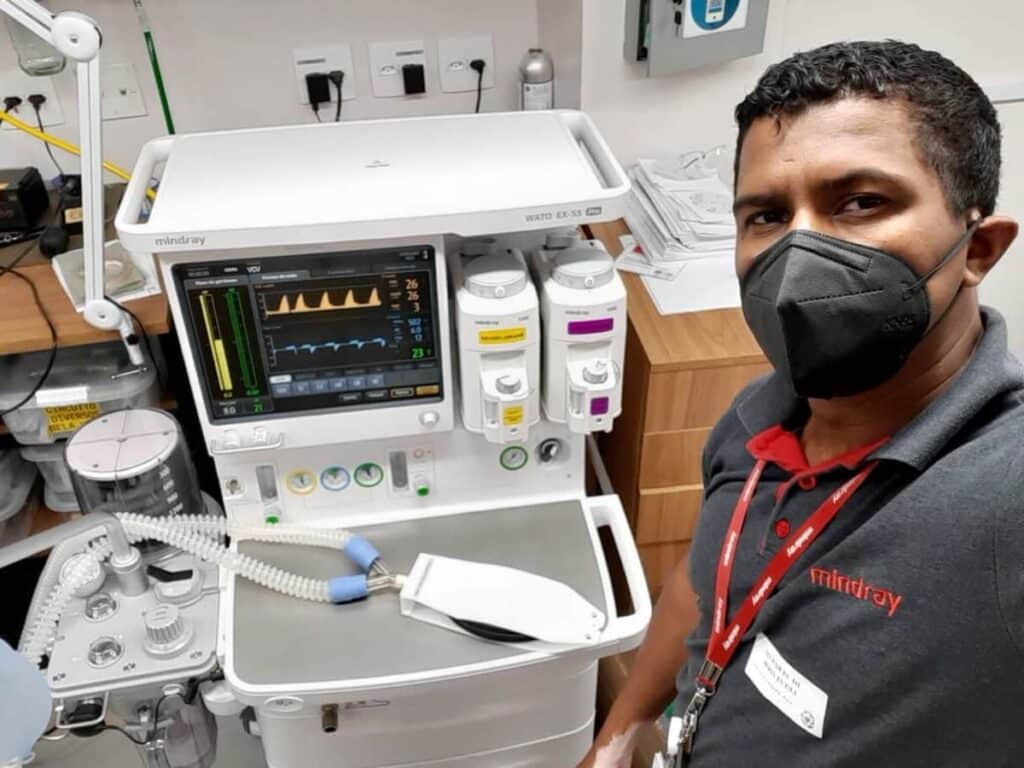
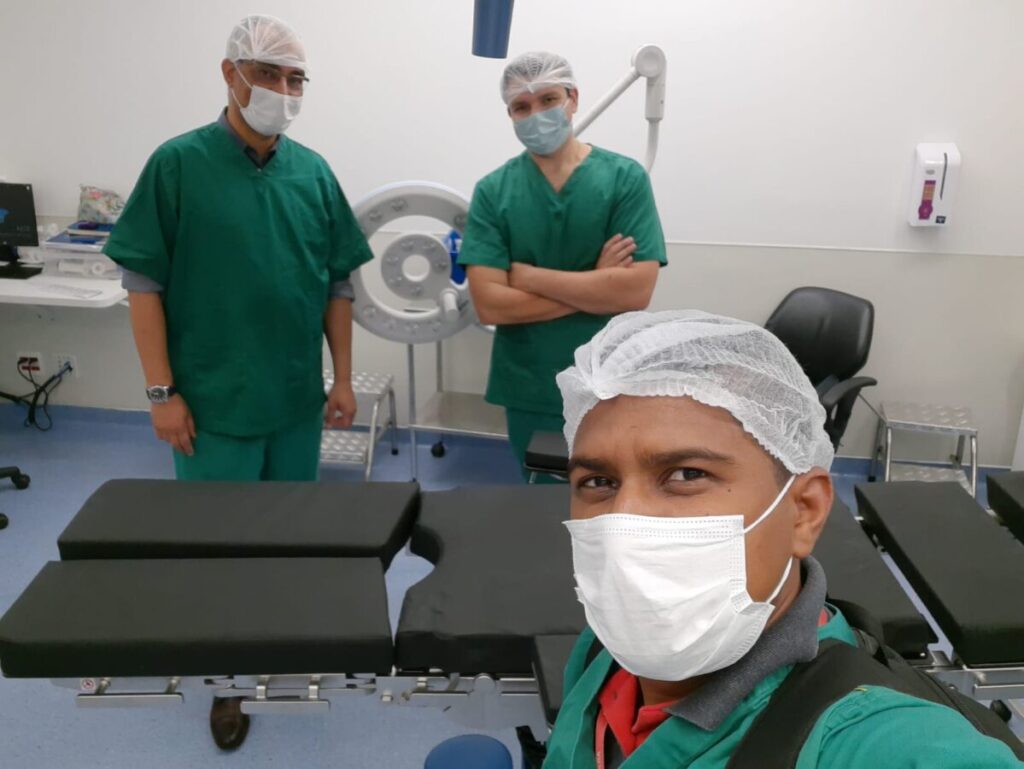
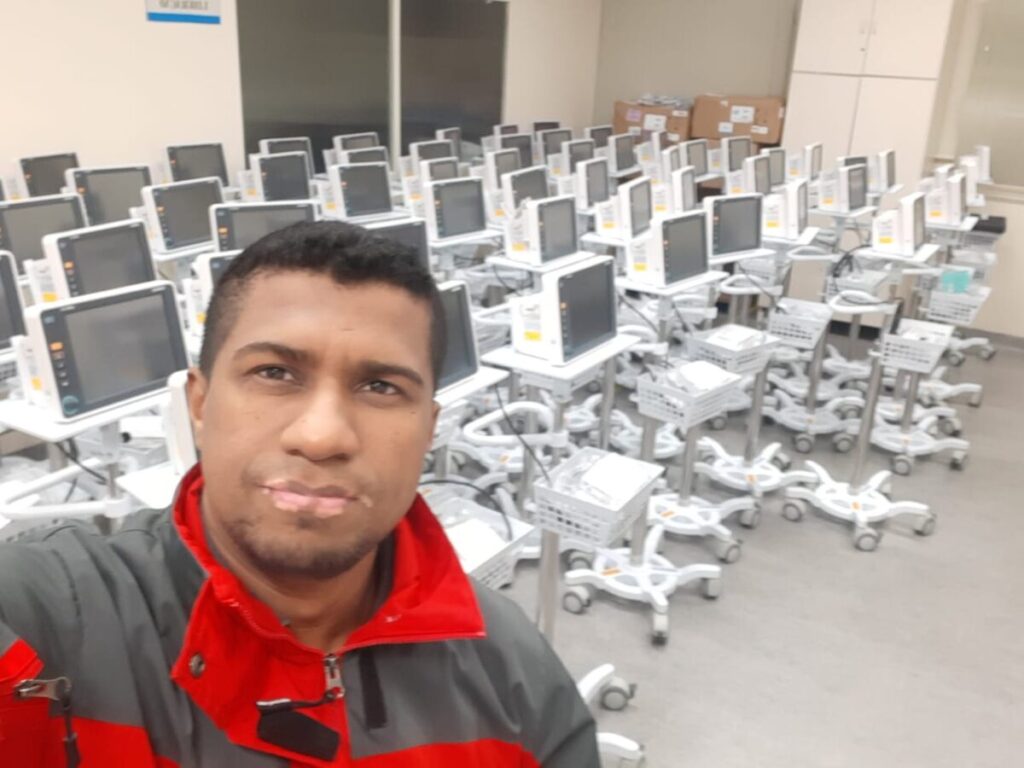
During the COVID-19 pandemic I worked extensively installing and commissioning Mindray ventilators in hospitals across Brazil. During that period, I became one of the professionals who installed the highest number of Mindray ventilators worldwide.
Knowing that each installation helped hospitals care for critically ill patients gave my work a completely new meaning and confirmed that healthcare technology was where I wanted to build my career.
Types of equipment and instruments
What are the different types of equipment and instruments you have worked on throughout your career?
Mechanical ventilators, anaesthesia machines, patient monitors, ultrasound systems, surgical video systems, operating tables, surgical lights, central monitoring systems and hospital connectivity solutions.
What has been the most interesting piece of equipment you have ever worked on? And why?
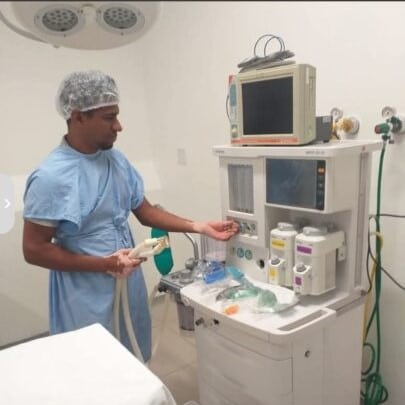
Anaesthesia machines because they combine pneumatics, electronics, sensors, software, gas delivery and multiple safety systems into one highly integrated platform.
What would you like to work on in your future career as a customer support engineer?
I enjoy learning and would like to work with the next generation of high-technology medical devices, robotic systems and other advanced technologies.
Communication Skills as a Field Service and Customer Support Engineer
As a Field Service Engineer, you need strong communication skills. You speak 3 languages. How do you think this makes you a better communicator?
I speak Portuguese, intermediate English and intermediate Spanish. This allows me to communicate with manufacturers, distributors and customers from different backgrounds while also understanding technical documentation and training materials.
Typical week at Mindray as a Customer Support Engineer
Can you describe your typical week as a Customer Support Engineer?
There was rarely a typical week.
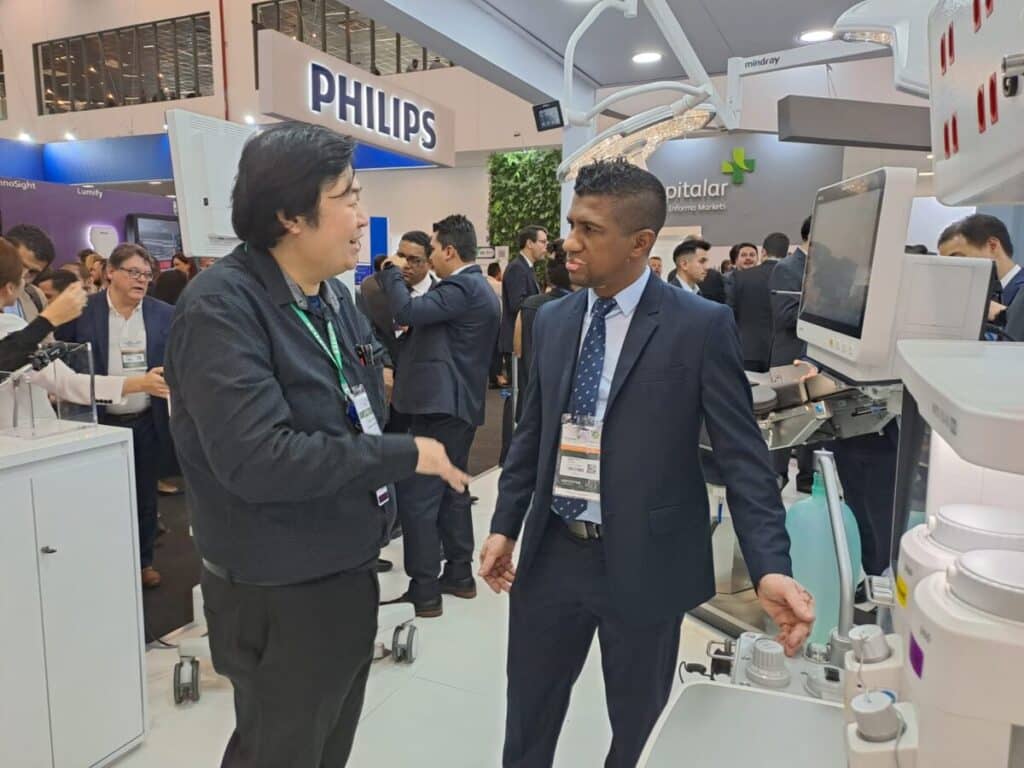
Early in my career at Mindray, most weeks were spent travelling to hospitals performing installations, preventive maintenance, corrective maintenance and commissioning.
Later, my responsibilities expanded to include distributor development, technical training, remote support, planning, technical meetings and documentation. Some weeks were almost entirely customer-facing, while others focused on training programmes and supporting distributors across Brazil.
How much of your time was spent ‘hands on’ with customers and how much on administration, training and other aspects of your role?
In my first years at Mindray, most of my work was direct field service. In my final years I spent much more time training distributors, planning activities, providing remote support and developing technical capabilities while still maintaining regular customer contact.
How much of your work was involved with preventative maintenance? Why do you think this is vital? How do you persuade customers to prioritise preventative maintenance?
Preventative maintenance was an important part of my role. It improves equipment reliability, reduces unexpected downtime and protects patient safety. I always explained that it should be viewed as an investment rather than simply a cost.
How do you quickly form a relationship with a new customer?
I listen first, understand the customer’s environment and focus on solving their problem. I also maintain long-term professional relationships through WhatsApp and LinkedIn. Trust is built through consistency, technical competence and a genuine willingness to help.
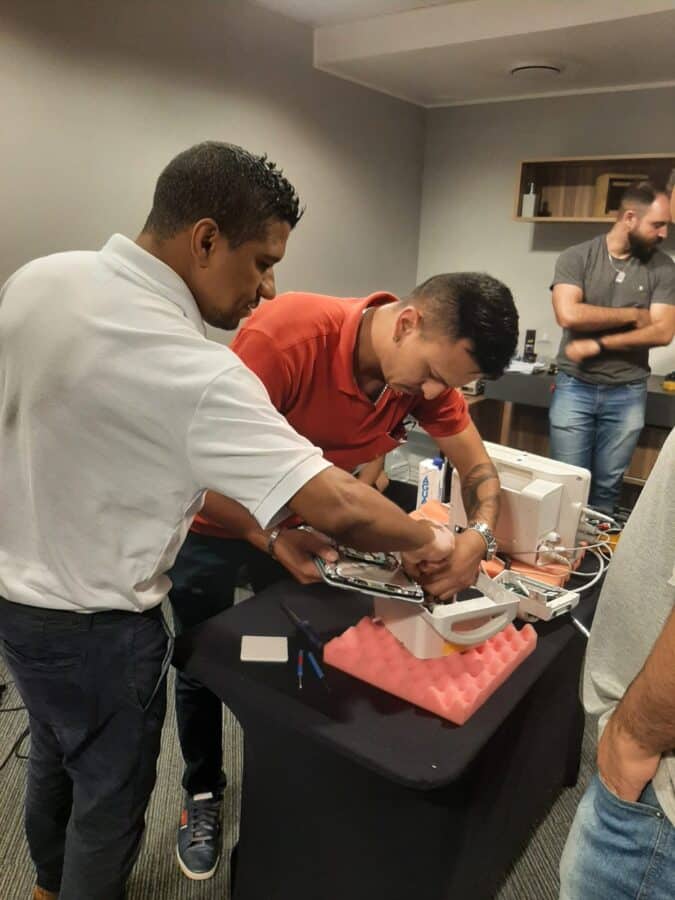
Most Challenging part of the Job as a Customer Support Engineer
What is the most challenging part of your job – technical side, logistics or customers?
Finding the true root cause of complex faults, especially when software, hardware, accessories and user workflow can all contribute.
What has been your most challenging job to date?
Supporting hospitals during the COVID-19 pandemic, where equipment had to be installed and made operational as quickly as possible without compromising quality or safety.
What do you do when something is not working, and there is no obvious reason?
I follow a structured troubleshooting process: gather evidence, analyse logs, reproduce the fault, compare with known-good systems and involve factory engineering whenever necessary.
How do you explain something technical to someone non-technical or to someone who is having difficulty understanding?
I adapt my language to the audience, use simple examples and always confirm that the person has understood before moving forward.
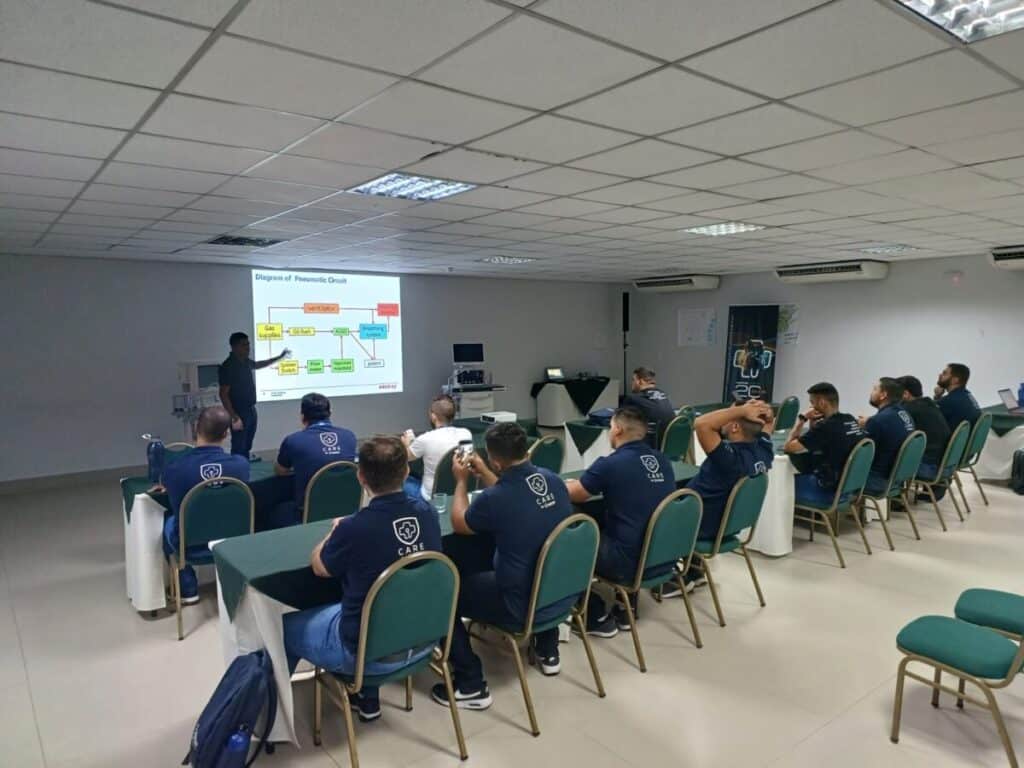
Making a future star
Apart from a strong technical background, what are the three most important skills for a field service engineer to have?
Technical problem-solving, clear communication and empathy.
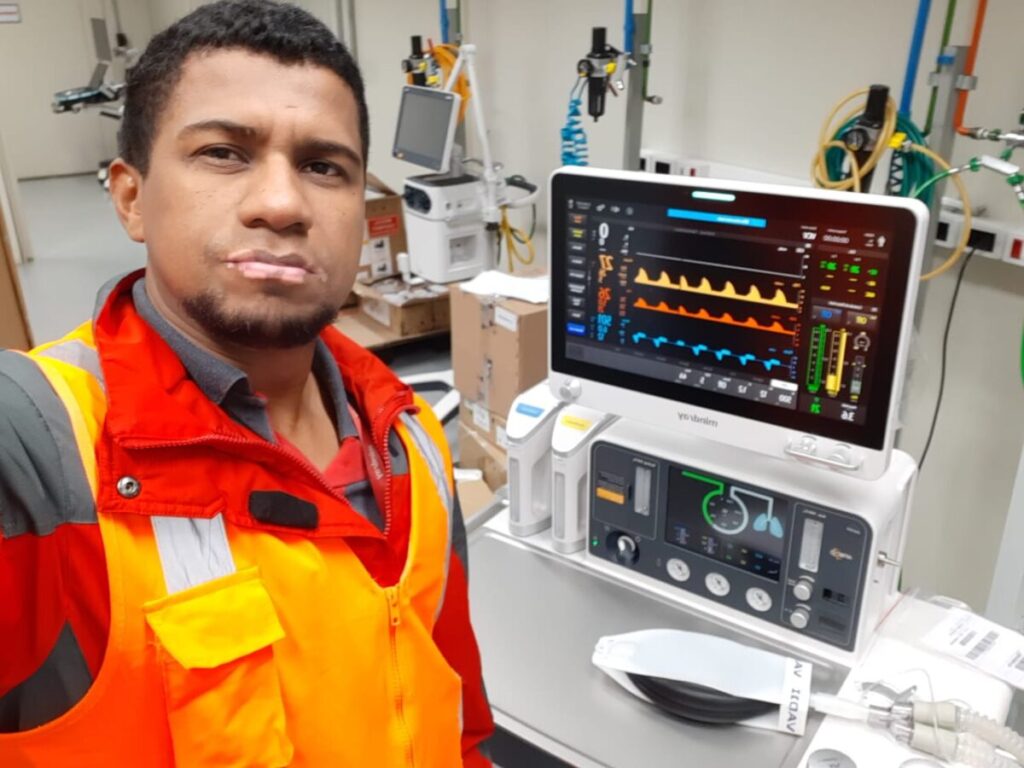
Antonio Marcos Soares Santos, Customer Support Engineer
With hindsight, how do you view your journey through life so far?
Looking back, I sometimes smile at the journey.
I went from building homemade toys in a small town in north-eastern Brazil to working with some of the world’s most advanced medical technologies.
Today I still enjoy solving technical problems, but I have discovered something just as rewarding: helping other engineers learn, developing distributors and ensuring that critical medical equipment is ready when it matters most.
Antonio Marcos Soares Santos, Customer Support Engineer
Antonio Marcos Soares dos Santos é profissional de Field Service em equipamentos médicos, com experiência em instalação, manutenção, treinamento e suporte técnico de equipamentos de alta complexidade, especialmente nas áreas de ventilação mecânica, anestesia e centro cirúrgico.
Apaixonado por compartilhar conhecimento, acredita que compreender a causa raiz dos problemas é tão importante quanto resolver a falha, contribuindo para maior confiabilidade dos equipamentos e segurança do paciente.
Further reading about Field Service or Customer Support Engineer
Successful life of a Biomedical Laboratory Equipment Engineer


Responses