
How a Frenchman in the UK is positively Changing Energy Management

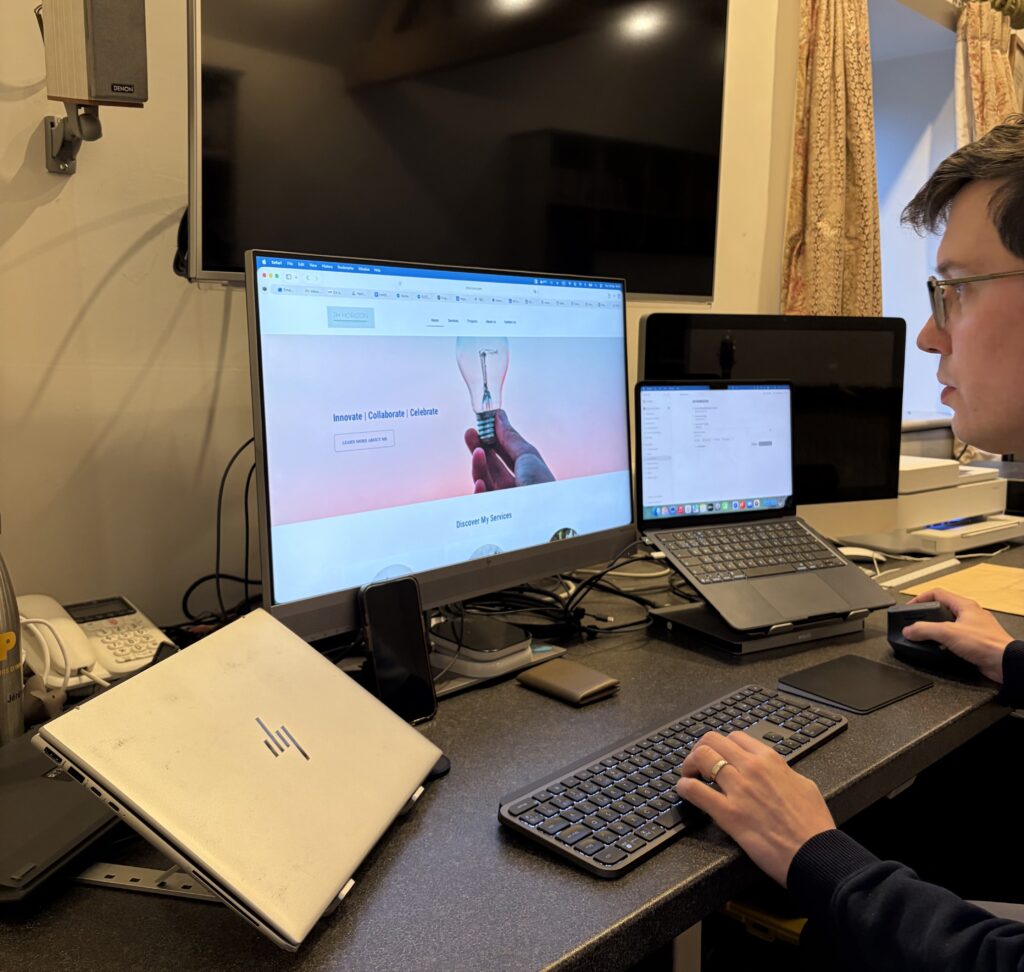
How is energy management and HVAC changing particularly within the hospitality industry? Jeremie Huscenot has a background in Physics, Acoustics, Audio and HVAC and experience France, Belgium and now the UK. He provides consultancy and advisory services on energy management to audio and HVAC businesses.
Energy Management, Audio and HVAC in the Hospitality Industry
Background
What sort of technical things interested you as a child?
As a child, I was fascinated by building things starting with Lego and Meccano. Over time, this interest evolved into a deeper passion for engineering and physics.
Looking back, which toys or hobbies indicated your future career?
I began playing musical instruments and learning music at the age of 5. I grew up playing a variety of instruments, from recorder to percussion and drums. Later, I taught myself guitar and keyboards.
Were there family members, friends, or teachers who influenced your study choice?
My uncle was passionate about hi-fi systems. We spent countless hours listening to music and watching concerts on LaserDisc which was a classic 90s setup for those who remember it!
Why did you decide to study Physics and then Engineering Science?
I wanted to understand the world around me. The more I learned, the more I realised how little we truly understand and that only deepened my fascination with science.
Working as an Engineer
You started your career in audio processing and acoustics. Why did you decide to specialise in this area of engineering?
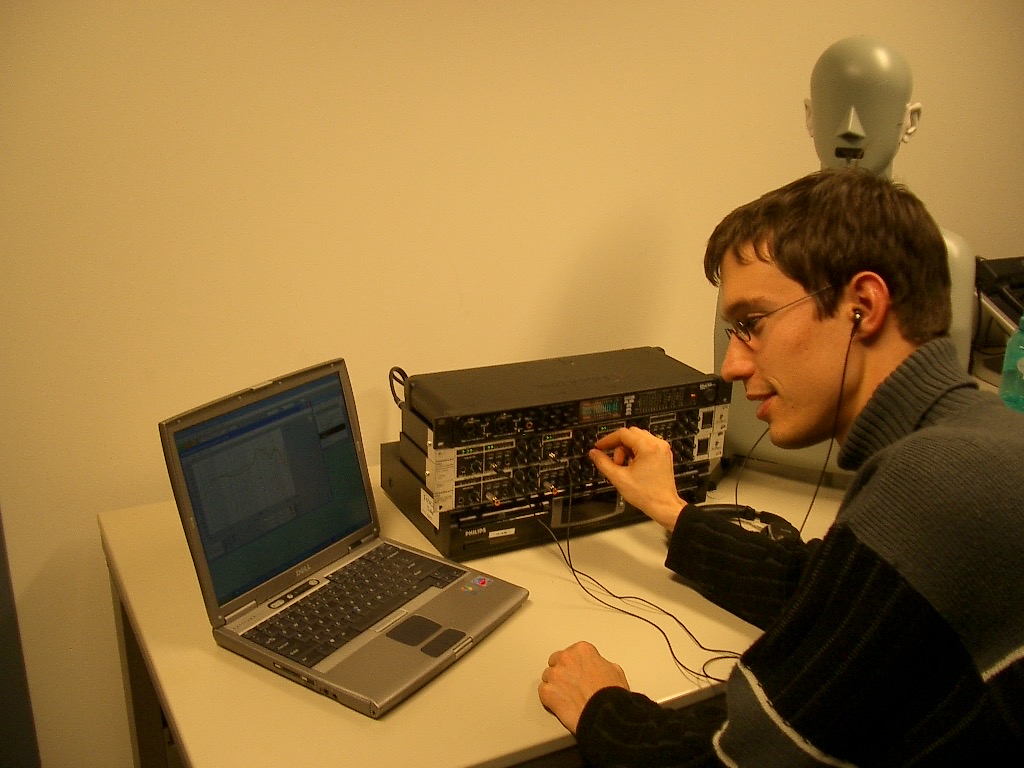
I wanted to combine my love of music with my knowledge of physics. I completed a Master’s degree with a major in acoustics at Université Pierre et Marie Curie in Paris.
What was the most interesting product you were involved with and why?
One of the most exciting projects was designing a speaker based on the point-source concept. This is often considered the “holy grail” of speaker design, as using multiple speaker drivers at different locations creates interference patterns that reach the listener’s ears.
Moving into Project Management
Why did you decide to move into project management? What did your role with Focal-JMlab involve?
After several years focused on product and concept design, I realised my strengths lay more in seeing the big picture than in fine-tuning tiny details. I then had the opportunity to lead new product development projects. My role involved transversally managing teams of 6–8 members from different departments, guiding the process from initial product definition through to industrialisation and mass production ramp-up.
What skills did you take with you that you are still using?
This was my first real step into developing strong interpersonal skills: managing conflicts, understanding team dynamics, and working on self-awareness and personal growth.
Move to HVAC and Energy Managment
Group Atlantic
You joined Group Atlantic and started working on HVAC and energy management. How quickly did you learn the new technology? How much of your audio experience did you use?
After several years as an audio project leader, a field where I had become an expert, I wanted to take on project leadership in a completely different domain. HVAC felt like an exciting opportunity, especially as I believed it would become a key sector in the coming years.
It took several months to refresh my university-level knowledge of thermodynamics and mechanics, but I never aimed to become a deep technical specialist. Project leadership is a job on its own and requires avoiding excessive technical bias. That said, my audio background proved surprisingly useful on several occasions when we encountered noise issues in heat pumps or ventilation units.
Midea Europe GmbH
At Midea Europe GmbH you specialise in Air Conditioning and became involved in product launches. Can you describe this part of your role?
My role focuses on ensuring that newly developed products are properly understood and effectively communicated to local sales teams and end users. Even the best products will go unnoticed if they aren’t well explained and promoted.
You also deliver training sessions. Do you enjoy this aspect of your role as you see the end users? And why is this type of experience good for an engineer?
I started delivering training early in my career when I led a sensory expert panel project and had to train participants to conduct reliable audio listening tests. Later, I also ran sessions on project management processes while heading a continuous improvement team. I have always enjoyed sharing knowledge and learning from others’ experiences. Helping people grow while continuing to develop myself is deeply rewarding. Knowledge is one of the few things you can give away without ever losing it.
Can you give an example of the most challenging project you have been involved in?
One of the toughest was leading the development of a VAV (Variable Air Volume) product. It was challenging both technically and in terms of team leadership. The project involved numerous internal and external stakeholders, which created significant alignment difficulties. Technical problems can usually be solved, but stakeholder misalignment and slow decision-making are often far harder to resolve.
Move to Sales
You expanded your experience by moving into sales. Why did you make this move? Do you think your experience as an engineer and as a project manager helped you understand the big picture?
I noticed that technical and sales teams often operate very differently, which frequently leads to poor or unproductive communication. I wanted to help build bridges between them with the single goal of bringing products to market that truly address unmet needs. I also extend this mindset to bridging cultural and national differences within and beyond Europe. A few months ago, I even started learning Mandarin with the same objective in mind.
Move to the UK and further work in Energy Management
You moved to the UK in 2025. How did you and your family adapt to life in a new country? What were the main challenges and which ones did you not foresee?
In summer 2025, we moved from France to the UK. Beyond the language adjustment (especially for the children), we had to adapt to everything as even small everyday tasks like visiting the doctor or hairdresser required significant effort.
After a few months, I was relieved to find a bakery offering proper French-style baguettes, so that’s one thing sorted! The biggest challenges are often the unspoken ones. When living in a culture for a long time, we don’t always realise that what feels normal to us isn’t universally shared. As the French, we’re known for being “grumblers” and giving negative feedback first. This is a habit that’s far less common in the UK to say the least !
What advice would you give to other engineers moving countries?
This is my second move (my first job was in Belgium). My advice is simple: even when countries seem close or share a language, never assume they are the same. Be prepared to question your habits, adapt, accept that you will lose some things and gain others.
The future for HVAC and Energy Management
What are the particular challenges that HVAC for the hospitality industry face?
Nearly 60% of a hotel’s total energy consumption is typically devoted to heating, cooling, and hot water. Energy costs are becoming increasingly critical. At the same time, consumers (and guests) are less and less tolerant of energy waste.
How can an energy management system support a business?
The core role of an energy management system is to measure and record energy consumption from key components. Once this data is available, businesses can develop targeted strategies, set goals and plan actions, like implementing smart sensors to automatically optimise HVAC operation or schedule predictive maintenance. The result is the best possible comfort delivered at the lowest possible cost.
How do you think HVAC and energy management in the hospitality industry is going to change and develop over the next ten years?
Over the next decade, HVAC systems in the hospitality industry will undergo transformative changes. These will be driven by the global push for decarbonisation, rapid advances in smart technologies, and a growing emphasis on guest health, wellbeing, and personalised comfort.
About the author
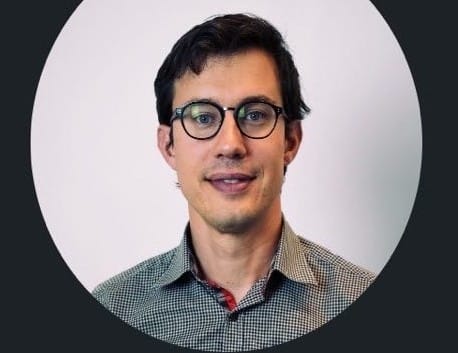
Jeremie Huscenot is a product development leader with 15+ years of experience driving innovation, commercial growth and customer satisfaction across global HVAC and audio technology markets. He combines engineering expertise with cross-functional leadership to deliver products that solve real-world problems, meet unmet user needs, and generate €MM revenue.
Jeremie works in energy management and is currently Consultant Director at JH Horizon Consulting based in the UK for both UK and continental Europe.
Further Reading
Secrets of a Humidity Control Engineering Team


Responses