From Veterinary and Laboratory work to Field Service – one woman’s passion
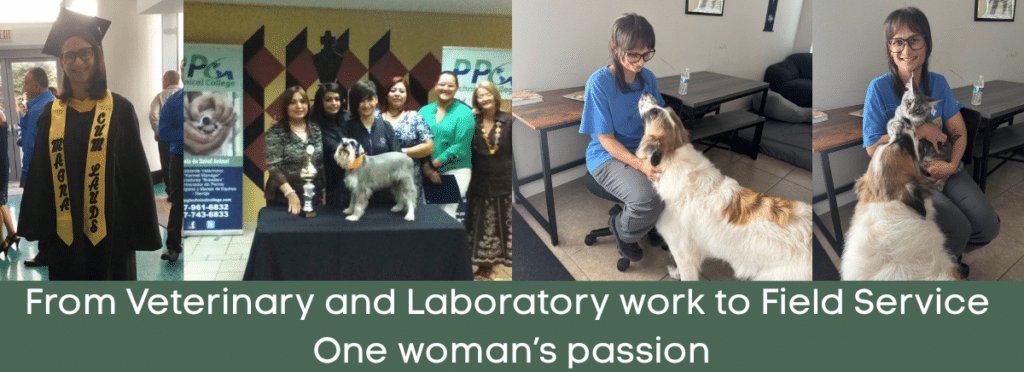
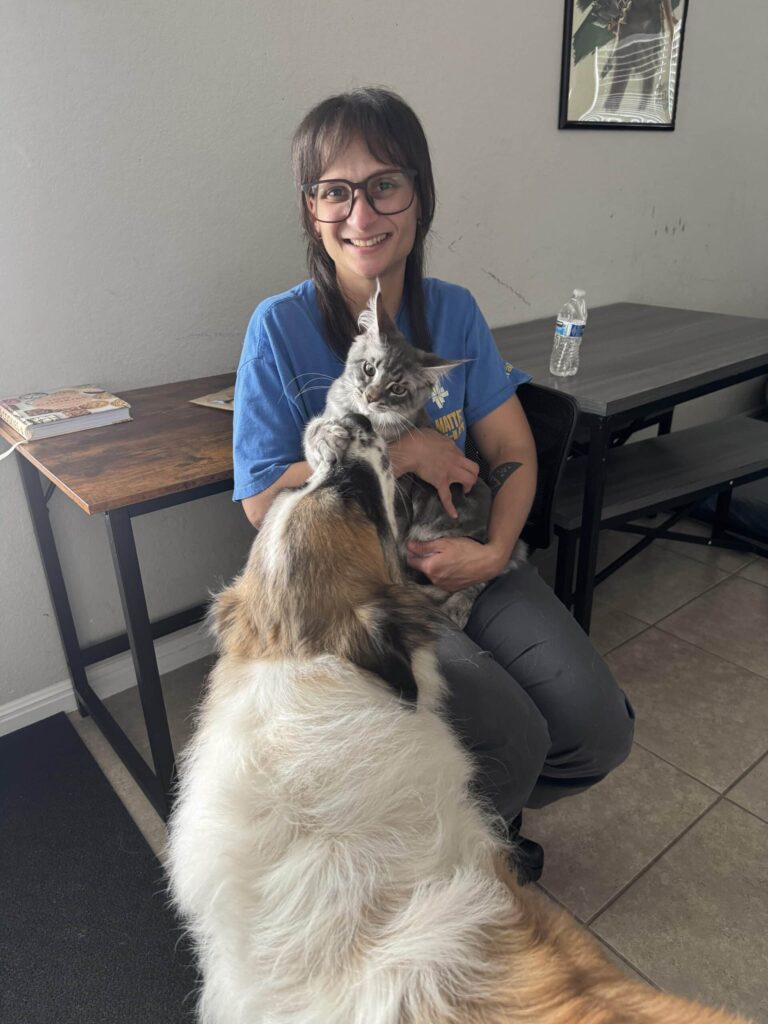
What is it like to take a love of animals and helping people into a laboratory? Meet Yvette Ocasio Pena who is now based in Austin in Texas and works for Baylor Scott & White Health. Yvette has a lifelong love of dogs and set up her own dog grooming business while she was studying. Yvette’s next career transition is to take her skills into a field service engineer role working on laboratory equipment.
Working in a Laboratory as Medical Laboratory Scientist
Background
Were you interested in how things worked when you were a child? Were there any toys which reflected this?
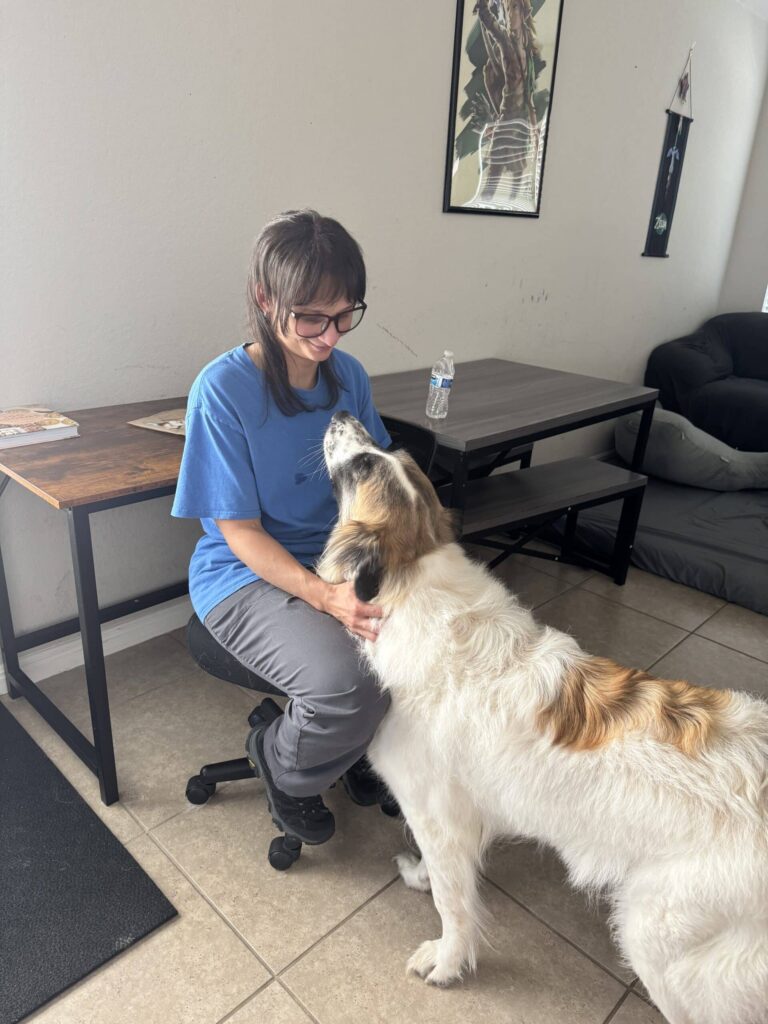
I was more interested in animals. Actually, I originally wanted to be a veterinarian. My priority was to always meet everyone’s pets and find out how to make them happy. It’s why I enjoyed my job when I was a dog groomer. The best feeling was making both the puppy, and their parents smile with joy after a successful grooming. Especially when the parents were surprised at the change.
Was there anyone in your family who guided you towards studying Clinical Laboratory Science and Medical Technology?
Both of my parents are chemists who work in the pharmaceutical field, but a college professor recognized my passion for biology and microbiology and encouraged me to explore clinical laboratory science. It had a little bit of everything I loved, she said. I enjoyed figuring out what could possibly be the cause of a patient’s symptoms. I enjoy that “Ahah” moment when I notice something out of place and I am able to help the diagnosis.
Which scientist from the past inspired you?
I always go back to Doctor Vazquez, a veterinarian I volunteered for when I was a teenager. He showed so much love for every patient. It inspired me to always be consistent and to always show up.
Sure things can get hard, there are hard days but that’s when being there matters the most.
That’s what I took away from him.
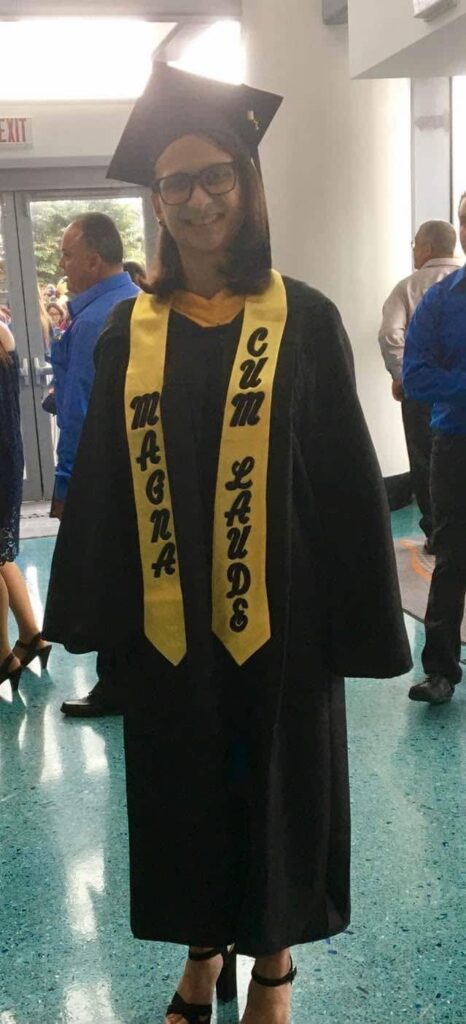
Working and Studying
You set up a business while you were studying – Shiny Puppies Grooming. Why did you decide to do this? How did you balance working and studying?
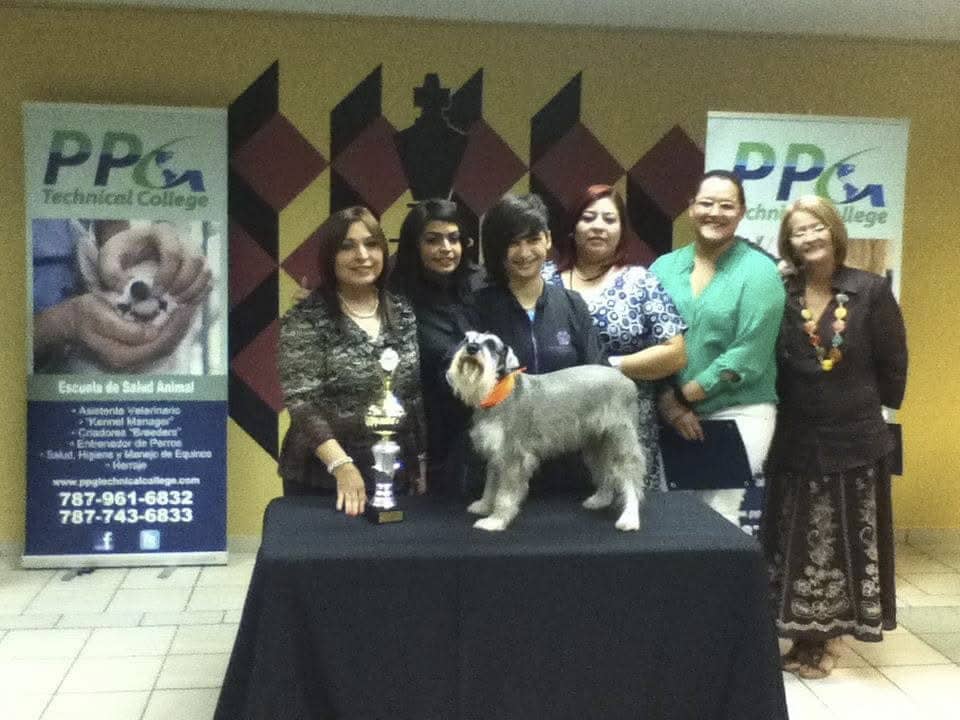
I started Shiny Puppies Grooming because I wanted financial independence during college and because I became a mother when I started college.
I chose pet grooming because I’ve always loved animals. It gave me a chance to build something of my own while developing real world skills in customer service, scheduling, and operations.
Balancing work, studying and family was challenging, it required strong discipline and time management. Setting my hours, I used every bit of downtime efficiently for studying and leaned on routines that kept priorities on track. The experience built resilience and a work ethic that served me well in clinical rotations and my first healthcare role.
What skills did you take from running your own business into your first healthcare job?
Running my own business taught me:
customer service excellence,
the ability to stay calm and solution oriented under pressure, attention to detail,
management,
and the importance of building trust with customers and those you work with.
Explaining services to pet parents and handling their concerns translated directly into communicating with patients, families, and clinical teams.
The entrepreneurial mindset of owning outcomes and finding ways to keep things running smoothly despite hurdles and challenges has been invaluable in the lab environment.
Medical Laboratory Scientist
Can you describe what a Medical Laboratory Scientist does?
I’d describe it as the backstage of healthcare. We analyse patient specimens using sophisticated instruments and techniques to generate accurate data that physicians then use for diagnosis, treatment, and monitoring. Our work spans haematology, clinical chemistry, coagulation, urinalysis, blood banking, and microbiology.
We perform rigorous quality control, maintain and troubleshoot complex equipment, investigate unexpected results, and ensure everything meets strict regulatory standards so clinicians can make confident decisions.
In your current role at Baylor Scott & White Health, can you outline a typical week?
In my current Point of Care role at Baylor Scott & White Health, a typical week involves a lot of movement across the hospital. I spend a significant portion of my time overseeing and supporting Point of Care testing throughout various departments, including the emergency room, intensive care units, operating rooms, and medical floors.
Every morning I start by reviewing quality control results in RALS (Remote Automated Laboratory System) and connectivity for POC (Point of Care) devices, investigating discrepant results reported by clinical staff, and troubleshooting issues with analysers such as blood gas systems, glucose meters, and coagulation meters.
A big part of the role is training and assessing competency for nurses and other clinical personnel on the proper use of these devices. I also maintain compliance documentation, manage inventory of reagents and supplies, and collaborate closely with lab leadership, IT, biomedical engineering, and nursing education teams.
How much of your time is spent working with equipment and how much with admin and other tasks?
Roughly 70–80% of my time is spent directly with equipment, performing maintenance, troubleshooting, and ensuring instruments perform optimally. The remaining 20–30% involves documentation, result review in the LIS, compliance activities, inventory management, meetings, and training or supporting colleagues.
Which other parts of the organisation give you support?
In the hospital we all work together for the patient’s wellbeing. I get strong support from Biomedical Engineering for major repairs, IT for LIS and interface issues, the Quality Management team for compliance and process improvement, and my colleagues from other BSW locations and my immediate supervisor.
Vendor technical support is essential for advanced troubleshooting or parts.
How much training do you take part in?
Training is continuous. We take care of the hospital staff’s initial, semi-annual and annual training for the waived and non-waived devices. Always following CLIA and CAP regulations. I also pursue continuing education to maintain my ASCP certification and stay current with advances in laboratory medicine. Lifelong learning is one of the most rewarding parts of this field.
Types of equipment
What types of equipment have you worked on during your career?
I’ve worked with:
automated haematology analysers (Sysmex platforms),
chemistry and immunoassay systems (Beckman Coulter and Abbott), coagulation analyzers (Werfen and similar),
urinalysis platforms,
centrifuges,
microscopes,
and multiple point-of-care devices.
I’m also comfortable with the middleware and LIS connections that tie these instruments into the larger hospital system.
Which piece has been most interesting to you?
The analyser that always interested me most were the chemistry analysers. They perform dozens of tests simultaneously using advanced detection methods. Watching how they deliver precise results at speed and seeing the direct impact on clinical decision making never gets old. It was my favorite department back when I was working on the bench in the core lab.
Which piece has been most challenging?
For me the most challenging is when the issue was with the LIS (Laboratory Information System) connection. Not because it had more steps to the troubleshooting, but because it’s challenging because most of the times every connection issue is very different from the last. That is why I always keep every issue documented so that I can look back.
What would you like to work on in the future?
My dream job is to work as a Field Service Engineer with a leading in vitro diagnostics company.
I want to be the person who installs, maintains, and repairs the analysers that the clinical teams rely on every day. I’m excited about traveling to customer sites, diagnosing and fixing complex equipment issues in real time, training end-users on proper operation and maintenance, and helping minimize downtime that can impact patient care.
Longer term, I see myself growing into a senior FSE or applications specialist role where I can combine my laboratory expertise with hands-on service work and contribute to improving both equipment performance and user experience.
Troubleshooting
What is your procedure for when something is not working correctly?
First, I gather details from the operator (sometimes there are not that many details) and review error codes.
Then I check the basics: power, connections, reagents, sample quality and run known QC or system diagnostics.
If I haven’t found the issue I consult the instrument manual and internal SOPs, document everything. I escalate to vendor support with clear information if needed.
Patient safety always comes first, which may mean activating backup methods.
After resolution, I look for root causes and ways to prevent recurrence.
How do you help colleagues learn a piece of equipment which is new to them?
Funny thing, I am training a new coworker on how to use all of our POC devices.
I start with an overview of how the instrument works and why it matters clinically, then move to hands-on demonstrations of daily operation, QC, and basic maintenance. I provide cheat sheets that I created for common tasks and troubleshooting.
I tend to let them drive as I supervise them and offer support when they need it. The goal is to build both skill and confidence, so colleagues feel empowered rather than overwhelmed.
Future
How would you like your career to develop now?
I’m ready to take my laboratory and instrumentation expertise into the field. My goal is to transition into a Field Service Engineer role with a leading diagnostics company, where I can install, maintain, and repair the analysers that labs depend on.
How do you think your skills from working as a Medical Laboratory Scientist could transfer to working as a Field Service Engineer?
My MLS (Medical Laboratory Scientist) background is an excellent foundation for FSE (Field Service Engineer) work.
Extensive hands-on experience operating, calibrating, maintaining, and troubleshooting complex laboratory analysers. I have a deep understanding of test methodologies, laboratory workflow, quality control, and regulatory requirements; ability to interpret error conditions in the context of clinical impact; and knowledge of what instrument downtime truly means for a lab’s workflow and patients.
Having my own business gave me strong customer service instincts, and the ability to manage expectations.
I’ve developed excellent training and mentoring skills by helping colleagues master new technology.
Working across different healthcare settings and relocating from Puerto Rico to Texas sharpened my adaptability, cultural sensitivity, and communication skills essential when building rapport with lab teams during service calls. I’m comfortable working independently in the field while collaborating effectively with diverse stakeholders.
How have your communication skills developed from running your own business, working in different organisations, and moving from Puerto Rico to Texas?
These experiences have made me a versatile, empathetic, and adaptable communicator.
Running Shiny Puppies Grooming taught me to explain technical information in plain language, handle concerns professionally, and build trust quickly with people from all backgrounds.
Working in the laboratory of multiple healthcare organizations helped me tailor my communication to different audiences – physicians, nurses, IT, and fellow techs.
Moving from Puerto Rico to Texas further developed my ability to navigate new systems and cultures while staying clear, respectful.
Further Reading
Life as a Biomedical Engineer travelling globally
Successful life of a Biomedical Laboratory Equipment Engineer


Responses